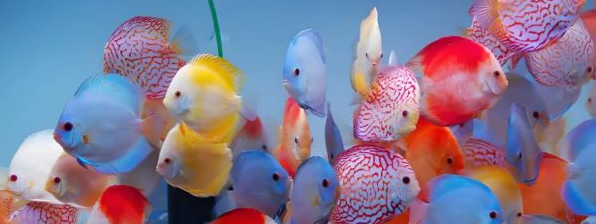
Discus Fish: The Colorful Dancers of the Aquarium
https://www.wonhat.com/the-ultimate-guide-to-ornamental-fish-species-care-and-thriving-aquariums/
If you’re even a little familiar with tropical fish, you’ve probably heard of the discus fish. These stunning swimmers are true superstars of the aquarium world. With their vibrant colors and graceful movements, it’s hard not to stare at them every time you pass by the tank.
But what exactly makes discus fish so captivating? Let’s take a closer look at why they’ve earned the nickname “the dancers of the aquarium.”
1. Stunning Looks That Steal the Show
Just from the name “discus fish,” you can guess that they’re colorful—and they don’t disappoint. Their bodies are sleek and round, gliding through the water like they’re waltzing in a slow-motion dance. Red, blue, green, yellow, and even purple hues shimmer across their scales, often all on the same fish!
Their dorsal and tail fins often show off different shades depending on the lighting, giving them an almost magical, color-shifting effect. The way they move—gracefully twisting and turning among plants—makes it feel like you’re watching a water ballet.
2. Gentle Nature & Social Habits
Discus fish may look flashy, but personality-wise, they’re quite peaceful and gentle. They love company and thrive in groups, so if you’re planning to keep them, make sure you get a few rather than just one. A spacious tank is key—they need room to move and interact.
They’re also picky about their living conditions. Discus fish prefer warm, clean water, with temperatures between 24–28°C (75–82°F), and a pH of around 6.5 to 7.5. A high-quality filtration system is essential to keep the water clear and their colors vibrant.
They also love planted tanks with rocks or decorations that give them places to hide and feel secure. A natural, peaceful environment helps them feel at ease.
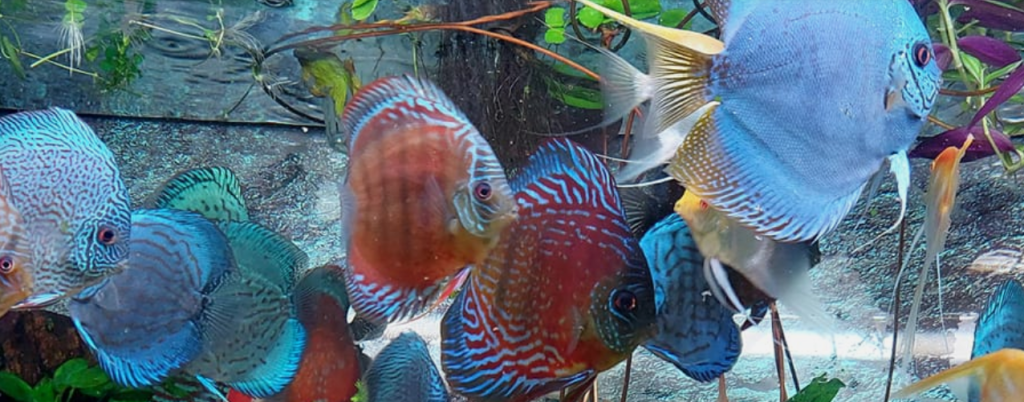
3. Caring for Discus Fish: Tips for Beginners
At first, keeping discus fish might seem intimidating, especially with their reputation for being a bit “high-maintenance.” But with the right setup and a little routine, it’s totally doable—even for beginners!
① Water Quality Matters Most
Clean water is everything for discus fish. Regular water changes (about 20–30% weekly) help prevent the buildup of organic waste. Use water testing kits to check temperature, pH, and hardness regularly to stay in the right range.
② Feeding Time
Discus fish are omnivores. They eat pellets or flakes, but also enjoy live or frozen foods like bloodworms, brine shrimp, or daphnia. Feed them 2–3 times a day in small amounts to avoid leftover food polluting the water.
③ Keep It Warm and Oxygenated
Use a heater to maintain a stable temperature—especially in colder months. They also need good aeration, so a reliable air pump or surface movement is a must to keep oxygen levels up.
④ Don’t Overcrowd the Tank
Each discus fish needs about 30–40 liters (8–10 gallons) of water. A crowded tank can stress them out and make them more prone to illness, so give them space to swim freely and comfortably.
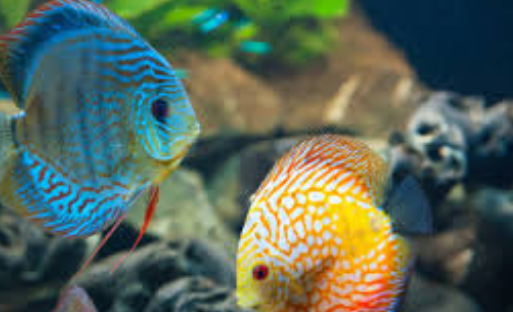
4. Breeding Discus Fish
Thinking about breeding discus fish? It’s definitely possible, but it does require a bit of extra care. Warm, stable water (around 28°C or 82°F) and a clean tank are essential for breeding success.
Typically, a female will lay eggs on a flat surface like a plant leaf or smooth rock, and the male will fertilize them. After about 2–3 days, the eggs hatch into tiny fry. At first, the babies are super small and need very fine food like microalgae or infusoria to grow strong and healthy.
5. Keeping Them Healthy
To keep your discus fish in tip-top shape, health monitoring is key. Watch out for signs like loss of appetite, dull colors, or sluggish swimming—these may indicate stress or illness.
Common issues include bacterial infections, parasites, and digestive problems, often triggered by poor water conditions. So, staying on top of tank maintenance and observing your fish daily will help you catch problems early.
In Summary
Discus fish are more than just eye candy for your aquarium—they’re living art. Their graceful movements, vibrant colors, and gentle personalities bring joy and calm to any space.
With the right care, you can raise healthy, happy discus fish and turn your tank into a dazzling underwater stage. Whether you’re new to fishkeeping or a seasoned aquarist, these colorful dancers are sure to win your heart.
https://www.wonhat.com/the-ultimate-guide-to-ornamental-fish-species-care-and-thriving-aquariums/
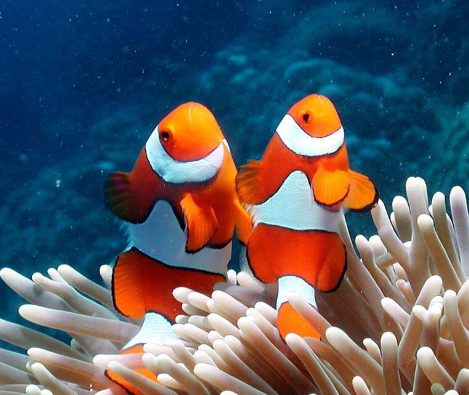
From Finding Nemo to Real Life: Meet the True Clownfish
https://www.wonhat.com/the-ultimate-guide-to-ornamental-fish-species-care-and-thriving-aquariums/
If you grew up watching Finding Nemo, chances are you fell in love with that little orange-and-white fish named Nemo—brave, cheeky, and clever. Nemo made clownfish famous, and many of us started wondering: what are clownfish really like?
As it turns out, real-life clownfish do share some similarities with their animated counterpart, but there are also some big differences. Let’s dive into the world of real clownfish and discover what makes them such fascinating ocean creatures.
1. What Do Clownfish Look Like?
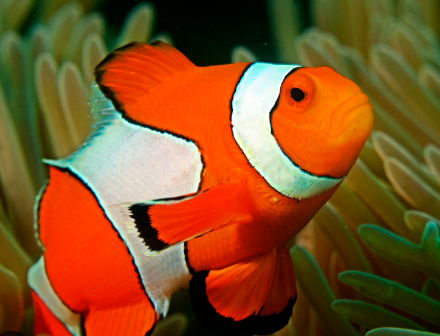
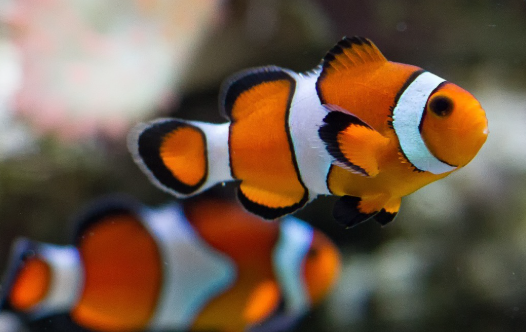
The first thing people notice about clownfish is their bright, striking color. Typically orange with white bands outlined in black, clownfish are hard to miss. These markings aren’t just for looks—they help clownfish recognize each other in the reef.
Clownfish are small, usually only 6 to 10 centimeters (about 2.5 to 4 inches) long. Their petite size makes them well-suited for life among sea anemones and coral reefs.
2. Where Do Clownfish Live?
In the wild, clownfish are found in warm tropical waters, especially around coral reefs in the Indo-Pacific region. Unlike in the movies where they seem to swim freely all the time, clownfish mostly stay close to home—specifically, inside sea anemones.
Now here’s the twist: sea anemones are actually quite dangerous. Their tentacles contain venom used to catch prey. But clownfish are special—they’ve formed a symbiotic relationship with sea anemones. The clownfish live among the stinging tentacles, protected from predators, and in return, they defend the anemone from invaders and help clean up leftover food.
It’s a win-win partnership that’s quite common in reef ecosystems. Thanks to this bond, clownfish avoid predators and sea anemones get a little help with housekeeping.
3. What Do Clownfish Eat?
Clownfish are omnivores, meaning they eat a mix of plants and animals. Their diet includes plankton, small algae, and tiny ocean critters. In the wild, they dart around the sea anemone to find food in nearby crevices, using their agility and small size to reach tricky spots.
In home aquariums, clownfish usually eat marine fish pellets, freeze-dried algae, and small crustaceans like brine shrimp. They’re not picky, but they do best with regular meals and a clean, stable environment. And while they can survive without anemones, they really thrive when they have one nearby.
4. How Do Clownfish Reproduce?
Clownfish have a pretty amazing reproductive system. They lay eggs on hard surfaces near their sea anemone “home,” and the male is usually the one who guards the eggs until they hatch.
Here’s the wild part—clownfish can change sex! In a breeding pair, the larger fish is always the female, and the smaller one is the male. If the female dies or disappears, the male will actually transform into a female and continue the breeding cycle with a new male.
This gender-switching ability is a survival strategy that helps clownfish keep reproducing even in small or isolated environments.
5. Clownfish and Humans
Thanks to their vibrant colors and friendly appearance, clownfish are favorites among aquarium enthusiasts and ocean lovers. You’ll find them in aquariums all over the world—and yes, they’ve become beloved pets for many people.
But don’t be fooled by how easy life looks in Finding Nemo. In the real ocean, clownfish face serious threats, like pollution, habitat loss, and climate change.
That’s why it’s important to enjoy clownfish responsibly. Whether you’re keeping them in a tank or just admiring them in the wild, do your part to protect their environment and avoid disturbing their natural habitat.
6. Final Thoughts
From animated films to real reefs, clownfish have captured our hearts with their charm and resilience. They’re not only adorable—they’re also a key part of the coral reef ecosystem.
By learning more about their behavior, needs, and natural environment, we can better appreciate these small but mighty fish—and hopefully be inspired to help protect the oceans they call home.
https://www.wonhat.com/the-ultimate-guide-to-ornamental-fish-species-care-and-thriving-aquariums/
A Complete Guide to Kohaku Koi: From Selection to Care
https://www.wonhat.com/the-ultimate-guide-to-specialized-aquatic-pets-mastering-pufferfish-and-kohaku-koi-care/
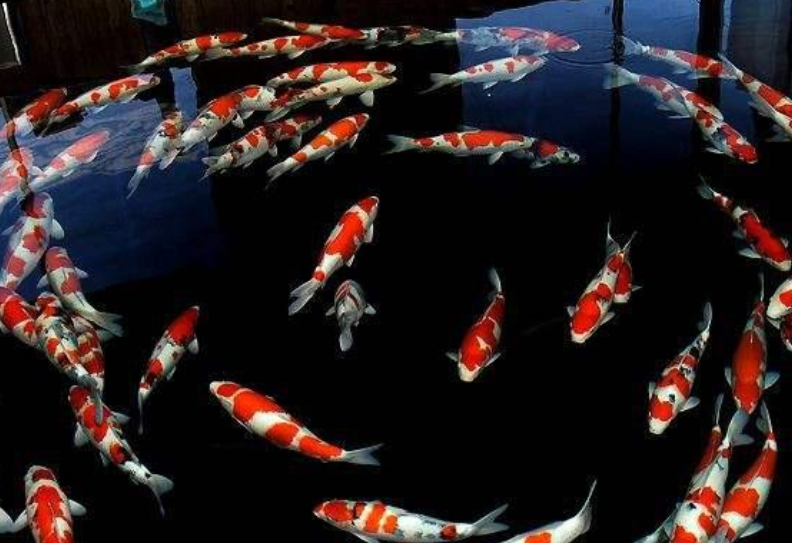
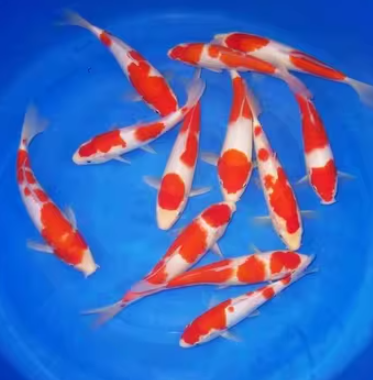
When people think of koi fish, the image that often comes to mind is a graceful, vibrant fish gliding through the water. Among the many koi varieties, Kohaku koi—with their striking red-and-white coloration—are undoubtedly one of the most iconic and beloved types. Their elegant appearance and symbolic meanings of luck and prosperity make them a favorite among koi enthusiasts.
If you’re thinking about keeping a Kohaku koi, this guide is for you. From choosing the right fish to creating the ideal environment and ensuring proper care, here’s how to help your Kohaku koi thrive and stay beautiful.
1. How to Choose a Healthy Kohaku Koi
Picking out a Kohaku koi isn’t as simple as selecting a pretty one at random. The fish’s appearance and health will directly impact its long-term well-being and aesthetic appeal. Here’s what to look for when choosing:
1. Balanced Body Shape
A healthy Kohaku koi should have a well-proportioned, full body with no signs of deformity or weakness. Watch how it swims—strong, steady movement is a good sign.
2. Smooth, Shiny Scales
The koi’s scales should be complete, shiny, and uniform. Missing or damaged scales may indicate past injuries or illness.
3. Distinct, Vibrant Colors
A good Kohaku has clear and contrasting red (hi) and white (shiroji) areas. The red should be deep and rich, while the white should be clean and snow-like. Avoid fish with dull, faded, or yellow-tinted colors.
4. Bright, Clear Eyes
Healthy koi have clear, alert eyes. Cloudiness, spots, or dullness in the eyes can be signs of illness.
5. No Wounds or Parasites
Check for unusual spots, sores, or parasites on the fish’s body. A clean, blemish-free appearance is ideal.
Tip: Always purchase from a reputable breeder or aquarium shop. This ensures you’re getting healthy, well-cared-for fish.

2. Creating the Right Environment for Kohaku Koi
Once you’ve chosen your koi, you’ll need to provide a comfortable and clean environment. Kohaku koi can be sensitive to poor conditions, so setting things up properly is crucial.
1. Water Quality
Clean, stable water is essential. High levels of ammonia or nitrates can harm or even kill koi. Maintain a pH level between 7.0 and 8.0. Change 25%–33% of the water regularly to keep it fresh and balanced.
2. Ideal Water Temperature
Kohaku koi thrive in water between 18°C to 24°C (64°F–75°F). Use aerators or water pumps in summer to keep the water cool, and consider heaters in winter to prevent drops that could cause stress or illness.
3. Sufficient Space
Kohaku can grow quite large, so they need plenty of room to swim. A pond at least 60 cm (24 inches) deep or an aquarium of 150 liters (40 gallons) or more is recommended. Cramped conditions can stunt growth and affect health.
4. Strong Filtration System
Because koi eat a lot and produce significant waste, a strong filter is a must. Use an external filter or a powerful pump system to keep the water clean and oxygen-rich.
3. Feeding Your Kohaku Koi
A proper diet is key to keeping your koi healthy, vibrant, and resistant to disease. Kohaku koi are omnivores and benefit from a varied, well-balanced diet:
1. High-Quality Pellet Food
Choose koi-specific pellets that contain a good mix of protein, vitamins, and minerals. In spring and fall, opt for higher-protein feed to support growth and activity. In summer, switch to lighter feed to aid digestion in warmer water.
2. Live Foods
Occasionally offer live treats like water insects or snails. These encourage natural hunting behaviors and add variety.
3. Vegetables
Boiled spinach, lettuce, or peas can provide fiber and help with digestion.
4. Feed in Moderation
Koi have big appetites, but overfeeding can pollute the water. Feed 2–3 times per day, giving only what they can eat within 5 minutes each time.
4. Common Kohaku Koi Problems and Solutions
Even with the best care, koi keepers may encounter some challenges. Being aware of potential issues can help you respond quickly:
1. Poor Water Quality
This is the most common cause of koi illness. Keep a regular cleaning schedule, check water parameters often, and clean or replace filters when needed.
2. Loss of Appetite
If your koi stops eating, check for stress factors: improper temperature, dirty water, or illness. Observe behavior and adjust care accordingly.
3. Spots or Sores on the Body
These could be signs of a bacterial infection or parasites. Isolate the sick fish and treat with appropriate medication recommended for koi.
5. Final Thoughts
Kohaku koi are not only beautiful but also rewarding to keep. With the right selection, a suitable environment, and thoughtful care, your koi will thrive and become a stunning living centerpiece in your pond or aquarium.
Caring for koi is a journey that requires patience and attention, but the joy of watching them glide gracefully through the water makes it all worthwhile.
https://www.wonhat.com/the-ultimate-guide-to-specialized-aquatic-pets-mastering-pufferfish-and-kohaku-koi-care/
The Bossy Fish of the Reef: Just How Territorial Are Triggerfish?
https://www.wonhat.com/the-ultimate-guide-to-ornamental-fish-species-care-and-thriving-aquariums/
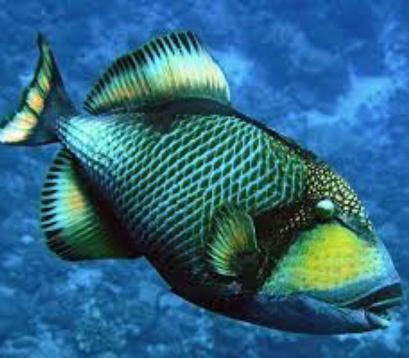
In the colorful world beneath the waves, if there’s one fish with a serious sense of “personal space,” it’s the triggerfish. These guys may not be the biggest in the sea, but their personalities? Big enough to fill the whole reef. With their striking appearance and strong opinions, triggerfish totally live up to their nickname—the “CEO” of the ocean.
So, What Exactly Is a Triggerfish?
Triggerfish, known by their scientific nickname Triggerfish (yeah, that’s the actual English name too), have a cool trick up their fins. Their first dorsal spine can “lock” into place like a trigger—hence the name. This built-in mechanism helps them wedge into rocks to sleep or defend themselves against predators. Pretty clever for a fish, right?
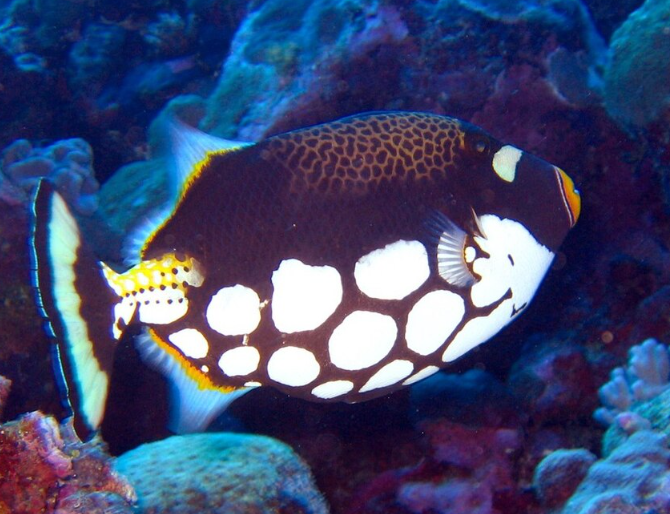
Their bodies are oval and laterally compressed, and they come in a variety of flashy colors and patterns. Some common types are the Yellowfin Triggerfish, Picasso Triggerfish, and Blue-lined Triggerfish. They’re basically swimming artwork—and it’s no wonder aquarium lovers are obsessed with them.
Bad Temper, But Surprisingly Smart
Triggerfish aren’t just good-looking—they’re also known for their tempers. Their territorial instincts are intense. If anything—fish, diver, even your shadow—comes within a meter of their turf, they’ll charge without hesitation.
But here’s the twist: they’re smart. Some captive triggerfish can recognize their feeder, respond to movement outside the tank, and even learn to open shells or sea urchins to get at the tasty bits inside. Not every fish can say it uses tools!
The Diver’s “Nightmare”
Ask any scuba diver, and they’ll likely have a triggerfish story. You’re swimming along, enjoying the coral and colorful fish, when—boom—a fish comes zooming at your face like an underwater missile. That’s a triggerfish telling you: “Get out of my neighborhood.”
During breeding season (usually late spring to early summer), they get extra protective. Males guard the nest tirelessly and will attack anything that gets too close. Their attack style is smart too—they don’t just rush head-on. They circle you first, then come from below in a surprise upward strike. It’s basically a sneak attack—ocean style.
The “Boss” of the Fish Tank
In home aquariums, triggerfish aren’t for beginners. Sure, they’re beautiful and interesting, but put them with the wrong tankmates, and you’ve basically handed them the role of tank tyrant. Smaller or gentler fish might end up stressed out and hiding all day.
Large species like the Queen Triggerfish or Blue-lined Triggerfish are especially aggressive. But if your tank is big enough, and you pair them with other semi-aggressive fish like clownfish or angelfish, things can work out. Just don’t put them in with shy or delicate species—they’ll definitely get bullied.
Why So Protective?
From an evolutionary point of view, their bossy attitude makes sense. Triggerfish usually build nests in reef crevices, where they lay their eggs. The males then guard the site 24/7, chasing off any intruders to protect their future babies. This makes them excellent “guardians” in the reef ecosystem.
Fun fact: Their attack zone is cone-shaped and goes upward, not straight. So if one starts coming at you underwater, don’t swim sideways—dive down toward the seabed. The closer you are to the bottom, the harder it is for them to hit you. It’s a cool tip that might actually save your fins someday!
In Summary
Triggerfish are full of personality—flashy, intelligent, and fiercely protective. Sure, they’ve got a temper, but that’s part of what makes them stand out in the reef. If you’re into animals that are a little bit rebellious, a little bit bold, and a whole lot clever, you’ll definitely remember the triggerfish.
So next time you’re snorkeling or visiting an aquarium, keep an eye out for this “underwater boss.” And hey, if you’re thinking of keeping one in a tank, make sure you do your homework—this fish doesn’t play around!
https://www.wonhat.com/the-ultimate-guide-to-ornamental-fish-species-care-and-thriving-aquariums/
Colorful Clown of the Water – The Fun Life of the Clown Loach
https://www.wonhat.com/the-ultimate-guide-to-ornamental-fish-species-care-and-thriving-aquariums/
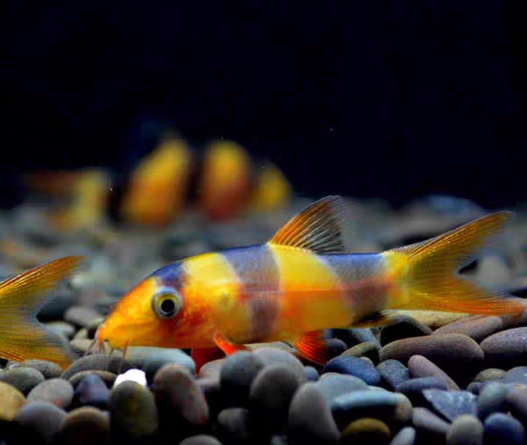
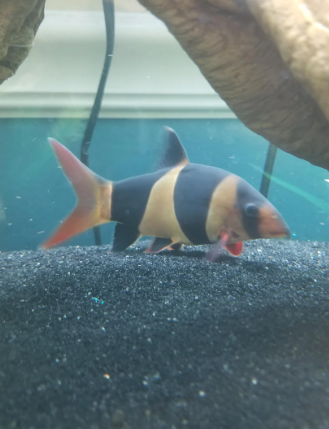
When it comes to the most entertaining “stars” in an aquarium, the clown loach definitely steals the show. With their bright orange and black stripes and playful behavior, they’re like little clowns swimming around, bringing tons of joy to your fish tank. Today, let’s dive into the fun and fascinating life of the colorful clown loach and see just how cute and amusing they really are.
1. Who Is the Clown Loach?
The clown loach, scientifically known as Clown Loach, comes from the freshwater rivers and streams of Indonesia. They’re medium-sized fish that can grow up to about 15 cm long as adults. Their bright orange bodies with bold black stripes make them easy to spot in any tank.
Besides looking great, clown loaches are super lively and love hanging out in groups. They enjoy rolling around at the bottom of the tank, even playfully diving into plants and hiding in caves—definitely the jokers of the aquarium.
2. A Friendly and Social Tank Mate
Clown loaches are pretty gentle and love hanging out with their own kind. It’s usually recommended to keep at least three together, so they can form a little team and interact more—it makes them way more entertaining to watch. They also get along well with other fish and won’t fight or steal food, making them great tank mates.
Whether it’s small tropical fish or other bottom dwellers, clown loaches fit right in and keep the peace.
3. Lively Bottom Dwellers
These guys are super active on the bottom of the tank. You’ll often see them digging around for food, nudging each other with their heads or bodies like they’re playing games. Sometimes they’ll zip into plant clusters or duck into hiding spots for a little rest—they’re quick and full of personality.
Their curious and energetic nature makes them a constant source of entertainment for fish lovers who can’t help but watch them go about their day.
4. Tips for Keeping Clown Loaches Happy
Clown loaches aren’t hard to care for, but there are a few things you’ll want to keep in mind:
Stable Water Quality
They prefer clean, flowing water. Keep the temperature between 24–28°C (75–82°F) and maintain a balanced pH level. Regular water changes are important to keep things fresh and healthy.
Lots of Hiding Spots
Add caves, rocks, and plants to your tank to give them places to hide and play. Clown loaches love hiding—it helps them feel safe and comfortable.
Balanced Diet
They’re omnivores, so you can feed them fish flakes, frozen foods, or live treats like bloodworms or shrimp. Throw in a few veggie snacks like cucumber slices or spinach leaves every now and then for extra nutrition.
Keep Them Social
Avoid keeping just one. Having at least three clown loaches makes a huge difference—they’re way happier and more active with their buddies around.
5. Daily Fun with Clown Loaches
Every day when you lift the tank lid, your clown loaches might race over to greet you, hoping for some tasty snacks. They’ll swarm together, snatching food with full energy.
You might catch them goofing around—bumping each other, diving into plants, or even swimming in a neat little line. Super cute, right? And under the lights, their orange and black stripes look even more vibrant, like little performers in a watery circus.
Their curiosity and playfulness make the whole aquarium feel more alive. Even the other fish seem to pick up on their energy, turning your tank into a lively little underwater world.
6. Final Thoughts
All in all, clown loaches are like the shining stars of any aquarium. Their striking looks and cheerful, easygoing personalities have made them a favorite among fish keepers everywhere. If you want to add more life and fun to your tank, clown loaches are a fantastic choice.
Their fun-loving ways will have you coming back to the tank every day, just to enjoy the delightful world they bring beneath the water’s surface.
https://www.wonhat.com/the-ultimate-guide-to-ornamental-fish-species-care-and-thriving-aquariums/
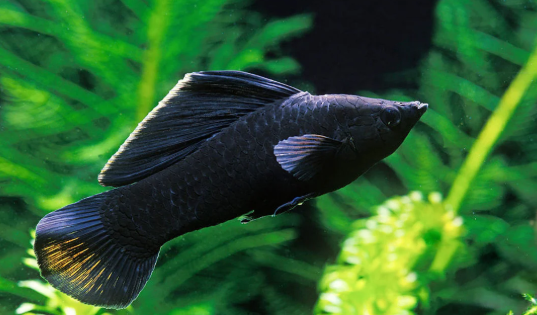
The Low-Key King of the Aquarium: The Irresistible Charm of Black Molly
https://www.wonhat.com/the-ultimate-guide-to-ornamental-fish-species-care-and-thriving-aquariums/
If you have ever kept fish or plan to, you’ve probably heard of the Black Molly. This fish is entirely black—unlike the colorful guppies or zebra fish, it doesn’t catch your eye at first glance. But those who have kept Black Mollies know that the more you raise them, the more you grow fond of them. They are like the low-key kings of the aquarium—quiet and unassuming, always swimming calmly in the corner, wearing a sleek black “evening gown” that makes them look exceptionally classy.
Deep Black Beauty — A Sense of Sophistication
The most distinctive feature of the Black Molly is its all-over black color—not gray or dull, but a deep, shimmering black that sways like satin underwater. Amid a tank full of colorful fish, it stands out like a calm commander, exuding composure and steadiness.
This ultimate black gives it a very upscale feel—especially in dim lighting and densely planted tanks, where the contrast between black and green is simply stunning. Some fishkeepers even deliberately keep gold or silver fish alongside to highlight the Black Molly as a focal point through contrast.
Easy to Keep and a Tank “Cleaner”
Don’t be fooled by its cool look; Black Mollies are highly adaptable and tolerant of water conditions. Whether in freshwater or mildly brackish water, as long as the temperature is between 24°C and 28°C, they stay active. For beginners, they are a “worry-free” choice.
Moreover, Black Mollies enjoy eating algae. They happily nibble on string algae, brown algae, and green slime in the tank. Although they can’t replace professional algae-eaters, they make diligent “part-time cleaners,” especially effective at keeping green algae off tank walls and stones.
Gentle Temperament with a Little Personality
Black Mollies have a peaceful nature and won’t attack other fish, so they mix well in community tanks. However, males may sometimes spar over territory, causing minor skirmishes that rarely escalate — more like playful quarrels.
They are naturally active swimmers, unlike some fish that hide all day. Groups of Black Mollies dart around, adding vitality and energy to the aquarium.
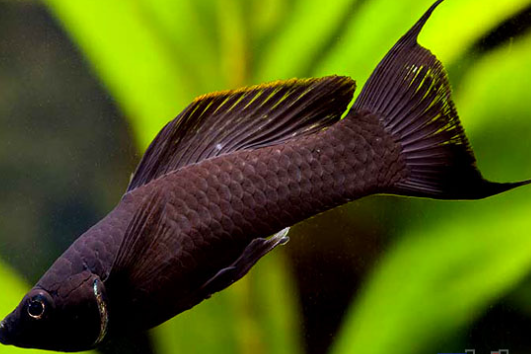
Livebearers — Watch Out for Population Surprises!
Black Mollies give birth to live young instead of laying eggs. If males and females are kept together under suitable conditions, they can breed quickly—often surprising new owners when little black fry suddenly appear in the tank.
If you don’t want your tank to turn into a nursery, consider keeping only one gender or controlling population density.
Tips for Keeping Black Mollies Beautiful
Planted Tank Pairing: Black Mollies and aquatic plants are a classic combo. Deep green plants like moss, crown grass, and pennywort enhance the fish’s color.
Community Compatibility: They get along well with peaceful small fish like guppies, zebra fish, neon tetras, and platies. Avoid aggressive or large fish such as bettas, tiger barbs, or cichlids.
Substrate and Background: Use dark substrate with light-colored backgrounds or plant walls to highlight the Black Molly’s noble, cool appearance.
Summary: A King’s Presence in Subtlety
At first glance, Black Mollies may not dazzle like guppies or angelfish, but their charm lies in understated purity. They don’t flaunt colors or elaborate fins; they just quietly swim in a corner of the tank. But the more you watch, the more you become captivated, reluctant to look away.
They don’t require much fuss to care for yet silently hold their place, being a presence that doesn’t steal the spotlight but cannot be ignored. So if you want a fish that’s easy to keep, good-looking, steady, and exudes a touch of sophisticated black elegance, Black Molly is definitely worth adding to your aquarium.
https://www.wonhat.com/the-ultimate-guide-to-ornamental-fish-species-care-and-thriving-aquariums/
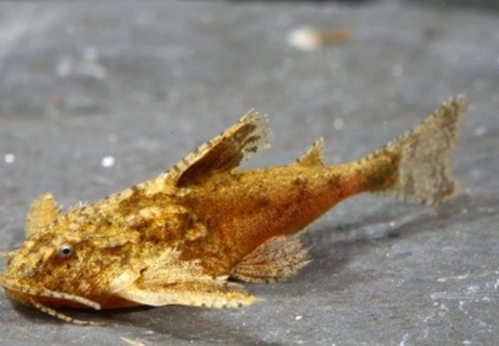
Asian Stone Catfish: The Low-Key but Indispensable Aquarium Companion
https://www.wonhat.com/the-ultimate-guide-to-ornamental-fish-species-care-and-thriving-aquariums/
In the aquarium world, there are many kinds of fish, but some are not flashy or showy. They don’t rely on bright colors to attract attention or lively swimming to win praise. Instead, they quietly maintain the ecological balance of the tank. This fish is known as the “aquarium cleaner,” scientifically called the Asian Stone Catfish.
1. The Mysterious and Tough Underwater Hermit
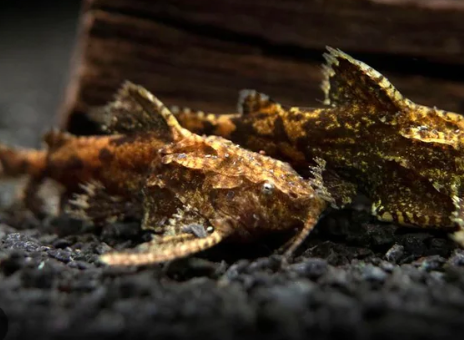
The Asian Stone Catfish is small, usually about 10 to 15 cm long. Its body is flat, mostly dark gray or brownish, perfectly camouflaged among rocks and driftwood in the aquarium. Though it’s not eye-catching, it blends like a stone on the bottom, guarding the tank silently. This secretive nature makes it an excellent “cleaner.”
During the day, it usually hides behind rocks or aquatic plants. At night, it comes out to forage, keeping the tank bottom clean by reducing algae and leftover food buildup.
2. The Ecosystem’s “Cleaner”
The greatest contribution of the Asian Stone Catfish is its efficient cleaning ability. It feeds on algae, debris, and small invertebrates on the aquarium floor, effectively helping maintain water quality and reducing organic waste inside the tank.
Unlike traditional “cleaner” fish, the Asian Stone Catfish does not excessively nibble on live plants or disturb the substrate. Its gentle temperament and non-picky eating habits have made it a “low-key but indispensable” ecological helper for many fishkeepers.
3. Suitable for Various Aquarium Environments
This fish adapts well and does not require strict water quality. It prefers neutral to mildly acidic water, with temperatures maintained between 22°C and 28°C. Due to its moderate size, the Asian Stone Catfish is suitable for medium to large aquariums and can peacefully coexist with most gentle fish species.
It enjoys a quiet environment with plenty of hiding spots. Aquariums should be well-decorated with rocks, driftwood, and plants to simulate its natural habitat, providing safety and comfort.
4. Care Tips
The Asian Stone Catfish is omnivorous but favors live food and algae on the bottom. Common foods include bottom pellets, frozen bloodworms, brine shrimp, and algae supplements. Although gentle, it needs adequate territory space, so avoid overcrowding to prevent stress.
Regular water changes and good water quality maintenance are key to keeping it healthy.
5. An Ideal Choice for Community Tanks
The Asian Stone Catfish is peaceful and rarely aggressive. It can be kept with many medium and small tropical fish such as guppies, tetras, and zebrafish. It also cohabits well with some larger bottom-dwelling fish. However, avoid housing it with large aggressive species to prevent injury due to size differences.
A well-planted and structured aquarium with sufficient space allows it to integrate smoothly into a community tank.
Conclusion
The Asian Stone Catfish may not be the brightest star in the aquarium, but its “low-key yet indispensable” role makes it an important part of the aquarium ecosystem. Its presence not only helps keep the tank clean and healthy but also adds vitality and interest to your aquarium.
If you’re looking for a quiet guardian of your aquarium’s ecology that’s also easy to care for, the Asian Stone Catfish is undoubtedly an ideal choice. Let this underwater hermit become your aquarium’s indispensable little companion.
https://www.wonhat.com/the-ultimate-guide-to-ornamental-fish-species-care-and-thriving-aquariums/
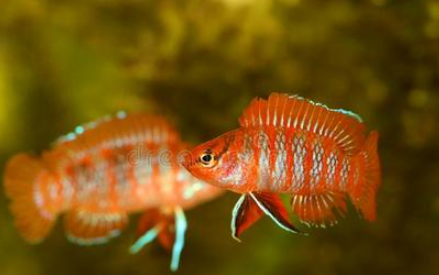
Scarlet Badis: Small in Size, Stunning in Appearance
https://www.wonhat.com/the-ultimate-guide-to-ornamental-fish-species-care-and-thriving-aquariums/
Among tropical ornamental fish, the Scarlet Badis is often called the “little red gem of the water” by aquarium enthusiasts because of its small size and vivid colors. Although it only grows to about 2 to 3 cm long, its bright coloration and lively movements have won many fans. Today, let’s explore this “delicate and exquisite” precious fish and see why it is so popular in the aquarium world.
1. Charming Appearance and Colors
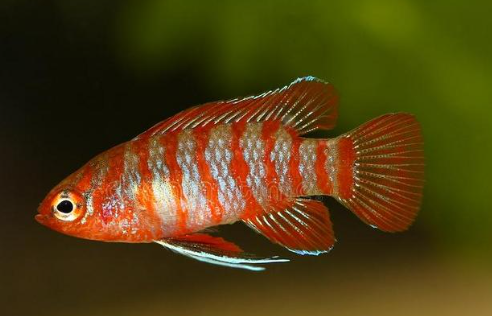
The most eye-catching feature of the Scarlet Badis is its vivid scarlet red color. The fish’s body is covered with red spots, especially the males, whose colors are deeper and more intense—like a tiny burning fireball. Their bodies are slender and smooth, and their dorsal and tail fins are also red, making them look like little fireballs swimming underwater.
Compared to other Badis species, the Scarlet Badis displays richer and stronger color contrasts, which makes it especially beautiful. It fits perfectly in aquariums with lush aquatic plants, adding a bright splash of color to the tank.
2. Personality: Quiet and Low-Key, Yet Energetic
The Scarlet Badis is quite gentle. Unlike the hyperactive tropical fish that dart all around, it tends to be more low-key and reserved. It likes to hide among dense plants or rock crevices, occasionally poking its head out to observe. This shy behavior actually adds a sense of mystery and makes it more interesting to watch.
During breeding season, males show strong territorial behavior. They deepen their color and flare their fins to warn rivals and assert dominance. These subtle behaviors allow observers to appreciate the fish’s rich emotions and social interactions up close.
3. A “Little Elf” for Home Aquariums
The Scarlet Badis prefers clean, slightly acidic soft water, with an ideal temperature around 22°C to 27°C. A stable water environment with plenty of plants, hiding spots, and gentle water flow is their perfect home.
Because of their small size, they are well-suited to small tanks—an aquarium of 20 liters or more can comfortably accommodate them. However, due to their sensitivity to water quality, maintaining clean water and performing regular changes is essential.
4. Diet: A Little Carnivore with a Taste for Live Food
Scarlet Badis are carnivorous and selective eaters. They prefer live foods such as brine shrimp, water fleas, and small insect larvae. Such food meets their nutritional needs and stimulates their natural hunting instincts, encouraging lively and natural feeding behaviors.
They generally do not accept dry food well or eat very little of it. It’s recommended to prepare fresh live or frozen food and gradually encourage their appetite. Also, feeding quantities should be controlled to avoid water pollution.
5. Breeding Challenges and Joys
Although small, breeding Scarlet Badis is quite challenging. Males select a hidden, safe territory and intensify their color and display behaviors to attract females. When a female enters the territory, the male initiates courtship displays.
After spawning, males guard the eggs diligently, chasing away intruders until the fry hatch. This period is a fantastic opportunity to observe parental behavior but requires stable water quality and a quiet environment.
Because of their demanding feeding and environmental needs, Scarlet Badis breeding is not recommended for beginners but rather for experienced hobbyists.
6. Tank Mates: Best with Gentle Small Fish
Thanks to their peaceful temperament and small size, Scarlet Badis are best housed with other gentle, small fish like small tetras, zebrafish, and guppies. Avoid mixing them with large or aggressive species to prevent bullying and stress.
A tank rich in plants and hiding places helps create a secure environment, increasing their sense of safety.
Summary
Though tiny, the Scarlet Badis is incredibly beautiful and increasingly beloved by aquarium fans. Its small body and vivid red color bring life and vibrancy to any aquarium corner. While it demands careful water quality control and special feeding, attentive care will let it show its unique charm.
If you want to make your home aquarium more colorful and lively, this little Scarlet Badis is definitely worth a try.
https://www.wonhat.com/the-ultimate-guide-to-ornamental-fish-species-care-and-thriving-aquariums/
The Petite Charm of Chinese Style: A Care Guide for the Baiyunshan Minnow
https://www.wonhat.com/the-ultimate-guide-to-ornamental-fish-species-care-and-thriving-aquariums/
Among the many kinds of ornamental fish, there’s a particularly adorable little one—small in size, gentle in temperament, with subtle yet lively colors that make it very appealing. This is the Baiyunshan Minnow. As a native freshwater ornamental fish from China, the Baiyunshan Minnow is not only beautiful but also highly adaptable and valuable for viewing. It’s an excellent choice for beginners. Today, let me take you through how to care for this uniquely Chinese little fish.
Who Is It? — Introduction to the Baiyunshan Minnow
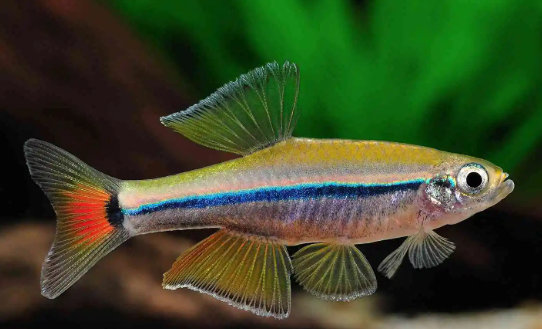
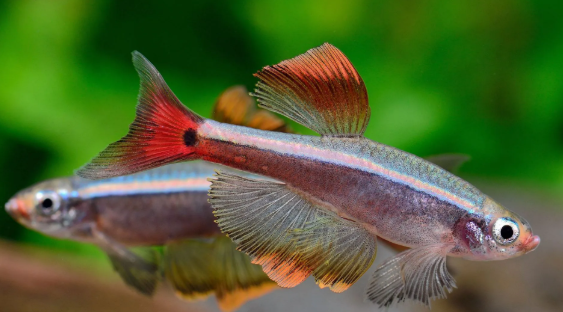
The Baiyunshan Minnow is named after the mountain stream in Baiyunshan, Guangzhou, China, where it naturally lives. This fish usually doesn’t grow longer than 4 cm. Its body is slender and silver-white, with a lovely black-blue horizontal stripe, and slightly reddish fins. Though the colors are simple, they are very soothing to the eye.
Despite its small size, it swims very actively. When a group swims together, it looks like a flowing ink painting—the scenery of a traditional Chinese watercolor unfolding right before your eyes.
Suitable Water Quality and Environment
The Baiyunshan Minnow is quite adaptable, but to keep it well, pay attention to these points:
Water Temperature: Best kept between 18 to 24°C (64–75°F), suitable for room temperature. Avoid temperatures that are too high or too low.
Water Quality: A pH of 6.5 to 7.5 is ideal. Keep the water clear with a gentle current to mimic their natural stream habitat.
Tank Setup: Use an aquarium with aquatic plants, some driftwood, and fine sand to simulate a mountain stream environment. This makes them feel more comfortable.
They prefer living in groups, so it’s best to keep at least 6 fish together, which helps their social behavior and enhances viewing pleasure.
Feeding and Diet Suggestions
Baiyunshan Minnows are omnivores and not picky eaters. Suitable feeding options include:
Dry Food: Small pellets or flakes are convenient staple foods.
Frozen or Live Food: Such as brine shrimp, bloodworms, and small water fleas, which help enhance their color and vitality.
Feed them twice daily, and allow them to finish the food within 5 minutes to prevent water quality deterioration.
Temperament and Tank Mates
Baiyunshan Minnows have a gentle temperament and get along well with other small, similarly sized fish like guppies, neon tetras, and zebrafish.
Avoid mixing them with large or aggressive species to prevent stress or injury.
Why Choose Baiyunshan Minnow?
Why is it great for beginners? Because it’s easy to care for, cute in appearance, cost-effective, and highly adaptable. More importantly, it’s a native Chinese species, so raising it also shows care and respect for local ecology.
The Baiyunshan Minnow embodies an elegant oriental charm. It may not have the brightest colors, but it gracefully swims in clear water with quiet refinement. It might not be the flashiest ornamental fish, but it’s the kind that grows more captivating the longer you watch. With a little care, it can turn your aquarium into a serene, elegant Chinese landscape painting.
https://www.wonhat.com/the-ultimate-guide-to-ornamental-fish-species-care-and-thriving-aquariums/
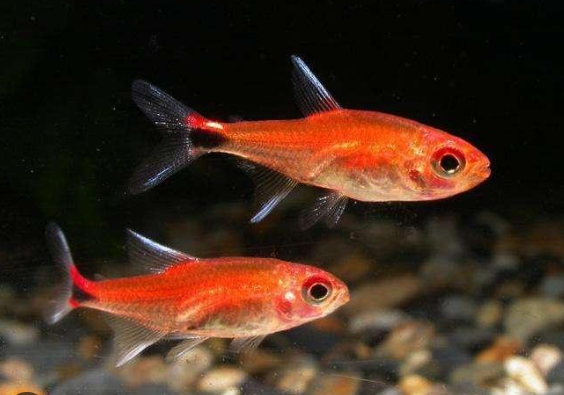
The Little Fire Sprite in Your Tank: How Stunning Is the Flame Tetra?
https://www.wonhat.com/the-ultimate-guide-to-ornamental-fish-species-care-and-thriving-aquariums/
Among aquarium enthusiasts, there’s a small fish that may be tiny in size but carries its own “heat field.” When it swims, it looks like gentle flames flickering underwater—this is the Flame Tetra. Originating from the tropical waters of South America, its bright red-orange colors, lively personality, and elegant schooling behavior have won the hearts of many fish lovers. They are peaceful and graceful swimmers, especially charming in small tanks or planted aquariums, adding a refined vitality.
How “Fiery” Is Its Appearance?
The Flame Tetra grows to about 3 to 4 cm long—small and delicate like a little sprite. Its front half is silvery white, while the rear half showcases deep to bright fiery red shades. When swimming, it resembles the warm glow of burning embers. Under soft light, its fins shimmer with a faint fluorescent orange-red glow, moving gracefully—each fish like a small spark in the water.
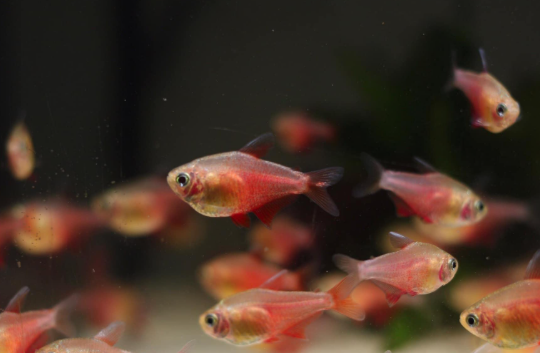
If you keep six or more together, they look like a school of tiny red fire sprites playing in the water. Whenever you approach the tank, they swim in unison, flickering like dancing flames—truly a beautiful sight.
Small Tank Friendly, Easy to Match
Despite their vivid colors, these fish are easy to care for and especially suitable for tanks between 30 and 60 cm. They look fantastic with aquatic plants, driftwood, and rocks. They prefer clear water with gentle flow, slightly soft water with a pH between 6.0 and 7.0, and a temperature range of 24–28°C.
Because of their small size, undemanding diet, and peaceful temperament, they are perfect for beginners and coexist well with guppies, neon tetras, and other community fish—ideal for a lively small tank ecosystem.
Not Picky Eaters
Flame Tetras are omnivores with simple food requirements. Standard tropical fish pellets or flakes serve as staple food. Occasionally supplement with frozen bloodworms, brine shrimp, or daphnia for nutrition and brighter coloration.
Feed once or twice a day, allowing them to finish within 5 minutes. This helps ensure proper intake and keeps the water clean.
Why Should You Own Flame Tetras?
Striking Appearance: Their fiery red body lights up any aquarium, instantly enhancing the overall atmosphere.
Good Temperament: Peaceful schooling fish that never show aggression and are comfortable around humans, making interaction easy.
Easy Care: Highly adaptable with a broad diet and low disease incidence—perfect for new fish keepers.
Cost-Effective: Affordable price yet offers a high-end visual impact, letting you enjoy beauty without financial stress.
Summary
Though not flashy in pattern, the Flame Tetra’s bright yet soft colors make it stand out vividly in any tank. Like little water sprites shimmering in your aquarium, they bring daily joy and vitality. If you want to add life and warmth to your aquarium, try a few Flame Tetras and watch a beautiful “dance of fire and water” unfold before your eyes.
https://www.wonhat.com/the-ultimate-guide-to-ornamental-fish-species-care-and-thriving-aquariums/
The Little Bumblebee of the Aquarium: A Day in the Life of the Bumblebee Goby
https://www.wonhat.com/the-ultimate-guide-to-ornamental-fish-species-care-and-thriving-aquariums/
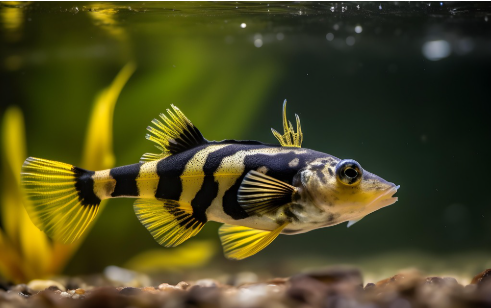
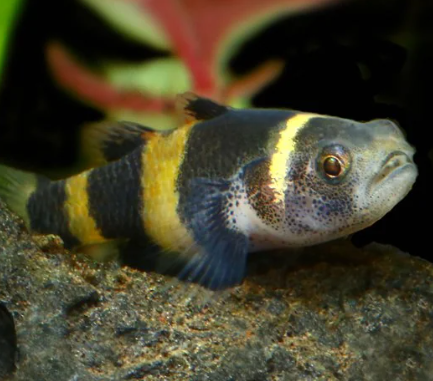
In the mini underwater world of the aquarium, there’s a little hero dressed in yellow-and-black striped “armor” — the Bumblebee Goby. Though small in size, its striking patterns and lively personality have made it a favorite among many fish enthusiasts as the “little bumblebee” of the tank. Today, let’s follow its daily routine and discover the secrets of this mysterious little fish.
The First Light of Morning
At dawn, when the gentle light fills the aquarium, the Bumblebee Goby begins to stir. It pokes its head out from cracks in rocks or among the plants, looking around carefully. Its alert eyes sparkle as if guarding its territory. This fish is very sensitive to its environment—slight changes in water temperature or flow catch its attention. It might swim cautiously around the plants or retreat into a rocky crevice to rest.
Foraging Time During the Day
Although the Bumblebee Goby doesn’t eat much, it is a skilled hunter. It prefers live food such as small water fleas, brine shrimp, and tiny bottom-dwelling insects. Whenever it’s feeding time, it darts quickly to snatch its prey. This little fish enjoys playing at the bottom, weaving nimbly between stones and driftwood, using its small body to catch hidden prey. Sometimes you might even see it pushing small pebbles with its head, showing surprising strength.
Social Behavior and Territoriality
Despite its small size—only about 2 to 3 centimeters—the Bumblebee Goby has a strong sense of territory. They usually live alone or with just a few companions, with each fish holding its own “private domain.”
Occasionally, minor squabbles break out within the tank, mainly head-butting or tail flicking to show dominance, but most of the time they coexist peacefully. They tend to be tolerant of other peaceful, small fish species.
Ideal Living Environment
Bumblebee Gobies prefer slightly brackish water, with a temperature range of 24 to 28 degrees Celsius (75–82°F). They need plenty of hiding spots, so the aquarium should be stocked with lots of aquatic plants, rocks, and driftwood to reduce stress.
The water must be clean, with gentle flow—strong currents can harm their delicate bodies. Regular water changes to maintain stable water quality are essential for their healthy growth.
Evening Rest
When night falls and the aquarium lights dim, the Bumblebee Goby gradually settles down. It selects a safe, hidden corner to rest quietly until a new day begins.
Its colors darken slightly at night, helping it blend in and avoid becoming prey.
Summary
Though small, the Bumblebee Goby’s detailed behaviors and charming personality add much life to the aquarium. It’s like a little guardian, bringing color and vitality to every tiny underwater world.
If you enjoy observing the habits of small creatures and appreciate attentive aquarium care, this little “bumblebee” is sure to win your heart.
https://www.wonhat.com/the-ultimate-guide-to-ornamental-fish-species-care-and-thriving-aquariums/

The Aquarium’s Most Adorably Deadly: How Addictive Is the Pea Puffer?
https://www.wonhat.com/the-ultimate-guide-to-ornamental-fish-species-care-and-thriving-aquariums/
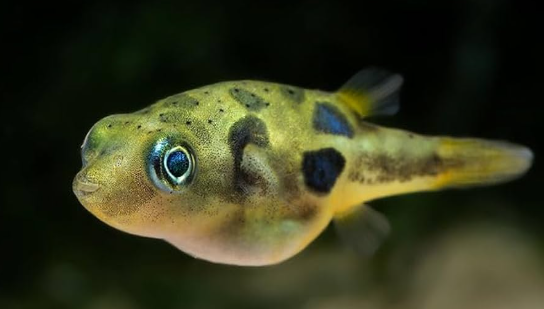
The first time you see a pea puffer at a pet store, you’ll probably melt at its round little body and those innocent, big eyes. It’s only about 3 centimeters long, with a smooth, plump shape dotted with golden spots—looking just like a lively little pea. Many first-time fish keepers are instantly charmed by its cuteness. But don’t be fooled by its adorable appearance—this tiny fish is a true little predator and the most charmingly fierce character in the aquarium.
Small Body, Big Ambitions
The pea puffer, also called the dwarf pufferfish (scientific name Carinotetraodon travancoricus), comes from freshwater rivers in India. Unlike typical puffers that live in the ocean, the pea puffer is a true freshwater species and does not need salt. Though small, it is fiercely territorial—any fish that comes close to its domain will be immediately attacked.
Despite its cute look, when it strikes, its tiny mouth is armed with sharp teeth that can easily nip off fins from other fish or even crush snail shells. Many fish keepers initially think it can peacefully coexist with guppies or zebra fish, only to find their tankmates seriously damaged overnight.
Picky Yet Greedy Eater
The pea puffer is very selective about food. It refuses dry pellets and insists on live food like small snails, brine shrimp, or bloodworms. Jokingly called the “snail’s nightmare,” a tank full of pond snails will be devoured in just a few days by these little gourmets.
When feeding, it watches you intently with its big round eyes, like a tiny scout, ready to pounce the moment food drops. Its eager and greedy demeanor is both frustrating and hilarious.
To Keep Alone or in Groups?
Many beginners want to keep multiple pea puffers because they look so cute. However, if the tank isn’t large enough, they tend to fight among themselves over territory and food, often nipping each other. The best approach is to keep just one, or if you want multiple, use a tank at least 60 cm long with plenty of plants and rocks to create hiding spots and separate territories.
If you must mix them with other fish, never keep them with long-finned species such as guppies or small bettas, as pea puffers instinctively nip at long fins. It’s not mischief—it’s their natural behavior.
The Balance of Cute and Fierce
Perhaps this sharp contrast is what makes the pea puffer so addictive. Cute yet cocky, like a quirky little tyrant, it adds drama and personality to your aquarium. Experienced keepers say: “Once you’ve kept a pea puffer, it’s hard to be interested in other fish again.”
With enough space, plenty of live food, and cozy hiding places, it will quietly patrol your tank, occasionally tilting its head at you as if to say, “Where’s today’s snail?”
Summary
The pea puffer is an interesting little fish—adorable but a bit feisty. If you want a pet with personality in your aquarium, give it a try. As long as you’re okay with its little temper, it will become the most unique and captivating companion in your tank.
https://www.wonhat.com/the-ultimate-guide-to-ornamental-fish-species-care-and-thriving-aquariums/
Glowing Little Spirits: The Dreamy Charm of Pearl Zebra Fish
https://www.wonhat.com/the-ultimate-guide-to-ornamental-fish-species-care-and-thriving-aquariums/
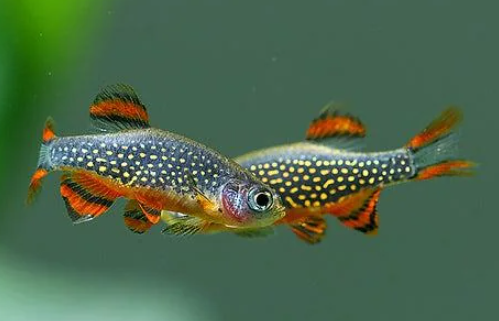
In the world of tropical fish, there’s a species that doesn’t rely on fancy tails or exaggerated body shapes to catch your eye. With a soft blue-silver sheen, they swim like shooting stars streaking across the night sky—these are the pearl zebra fish, little “spirits” with a magical appearance and a friendly personality.
Visual Focus: The Silver-Blue Glow
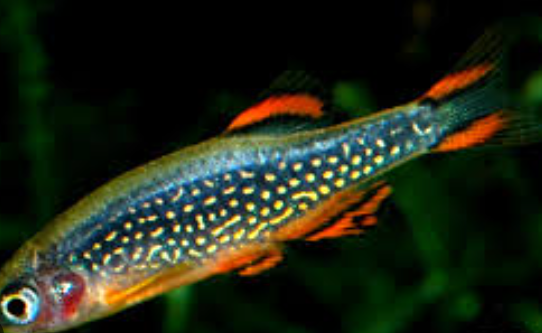
Pearl zebra fish are small freshwater fish, growing about 4 to 5 cm long, slender and graceful like little mermaids of the water. Their most captivating feature is their shimmering scales, which under light reflect a silver-blue or faint purple glow, like stars dancing in the water. Compared to the common blue zebra fish, pearl zebra fish have a gentler, more elegant coloration with a dreamy feel. This beauty makes them a highlight in planted and eco-aquariums.
Gentle Temperament, Better in Schools
Don’t underestimate pearl zebra fish—they’re social experts. Active and peaceful, they dislike fighting and prefer to swim in groups. You should keep at least six or more to let them move freely as they do in nature. When a school of pearl zebra fish swims together, it looks like shimmering ribbons flowing one after another—very beautiful. Their synchronized swimming is harmonious and lively, creating a kind of magic hard to find in other fish.
Easy Care, Friendly to Cooler Tanks
Pearl zebra fish are a great choice for beginners:
Temperature: They adapt well to temperatures between 20°C and 26°C and can even thrive in unheated, cooler tanks.
Water Quality: Prefer neutral to slightly alkaline water, just keep it clean and stable.
Diet: Omnivorous—they eat regular flakes, pellets, and freeze-dried foods; occasional live foods like brine shrimp help enhance their color.
This means you don’t need complex equipment or constant adjustments—they can live happily and healthily with simple care.
Community Tank Suggestions: Peaceful Choices
Pearl zebra fish have a mild temperament and get along well with other gentle small fish such as neon tetras, flame tetras, guppies, and other small cyprinids. Avoid mixing them with aggressive or large fish to prevent stress or bullying.
More Than Just Beauty
Pearl zebra fish are stunning in any aquarium and are often many people’s first encounter with the aquatic world. They’re resilient, adaptable, and highly social—embodying a philosophy of being “low-key but powerful” in the water. Their natural sheen is unpainted, making their beauty truly authentic.
Summary
In busy urban life, a quiet tank with lively little fish can help you relax, easing anxiety and fatigue. Pearl zebra fish are such little spirits—they don’t need flashy decorations but can touch your heart with their subtle colors. Let them become a bright part of your life—it might be the first step to enjoying a slower, more peaceful pace.
https://www.wonhat.com/the-ultimate-guide-to-ornamental-fish-species-care-and-thriving-aquariums/
Zebra Fish Mixed-Species Guide: Secrets to Peaceful Coexistence
https://www.wonhat.com/the-ultimate-guide-to-ornamental-fish-species-care-and-thriving-aquariums/
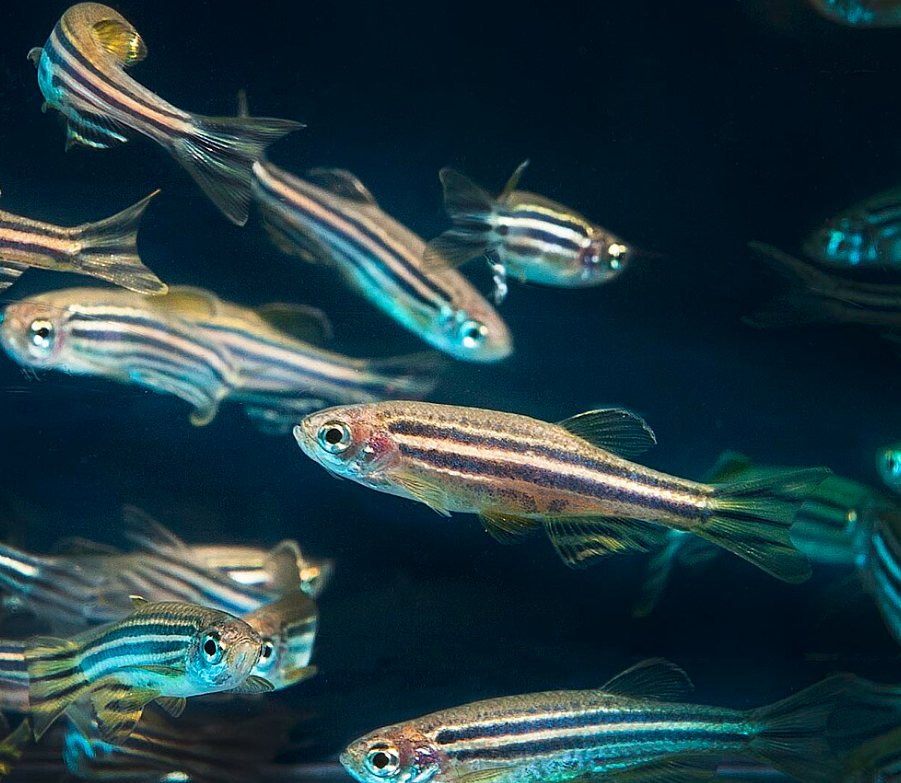
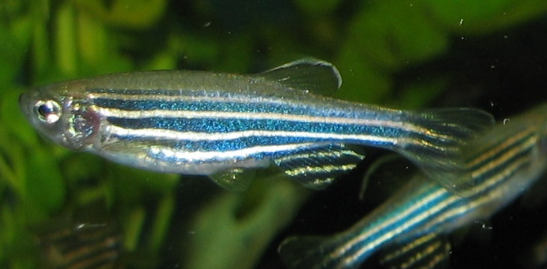
Zebra fish are especially popular in the aquarium world because they are lively, striped, and highly adaptable—making them ideal for beginner fish keepers. However, to keep zebra fish healthy and happy in a community tank, you need to learn how to help them coexist peacefully with other fish. Today, let’s talk about tips for mixing zebra fish with other species and help you create a harmonious underwater home.
Zebra Fish Personality: Active and Social
Zebra fish have a gentle temperament and enjoy living in groups. It’s generally recommended to keep at least six together so they can display natural schooling behavior. They are very lively, usually swimming freely in the mid-level of the tank, full of energy and non-aggressive, making them suitable for cohabiting with other fish. However, zebra fish are curious and agile; they like to explore new environments and may startle slower or smaller fish. So, when choosing tank mates, it’s important to consider the personalities and swimming habits of other fish.
Recommended Tank Mates
Zebra fish can live peacefully with other gentle fish that are similar or slightly larger in size, such as:
Guppies: Also small tropical fish with gentle temperaments; they share overlapping activity zones and come in many colors, making them good companions for zebra fish.
Tetras: Small, peaceful fish that like to swim in schools, usually inhabiting the mid-level water, fitting well with zebra fish habits.
Corydoras Catfish: Mild-mannered bottom dwellers that stay out of the zebra fish’s way and help clean the tank floor.
Plecos: Another bottom-dwelling species that won’t compete with zebra fish and can help with algae control.
Avoid housing zebra fish with overly large or aggressive species such as bettas or large cichlids. Also, avoid very small or slow-moving species like tiny shrimp, which could be intimidated or harassed by zebra fish.
Key Points for Mixed-Species Environment Setup
A good environment is the foundation for peaceful coexistence:
Sufficient Space: Zebra fish are active swimmers, so a tank length of at least 60 cm is recommended to provide ample swimming room.
Abundant Plants: Dense aquatic plants not only look good but offer hiding spots that reduce stress for all fish.
Multi-Level Layout: Use driftwood, rocks, and plants at different heights to create layered habitats and reduce territorial disputes.
Stable Water Quality: Keep water clean with a pH of 6.5–7.5 and temperature between 22–26°C, suitable for zebra fish and most community species.
Feeding and Care Tips
Zebra fish are not picky eaters; they accept dry pellets, freeze-dried foods, and live foods. You can vary their diet to keep them healthy and interested. However, when mixed with other fish, ensure all fish get enough food. Since zebra fish are small, they can easily be outcompeted by bigger fish. To prevent this, feed in multiple sessions or use feeding devices to distribute food fairly.
Regular water changes are also crucial. Clean water helps prevent diseases and promotes healthy growth. Monitor harmful substances like ammonia, nitrite, and nitrate levels regularly, and change the water accordingly to keep the environment safe and stable.
Observe and Adjust
During the initial mixing phase, closely watch fish behavior. Look for signs of fighting, aggression, or fear. If any fish become aggressive or injured, consider separating them or adjusting species combinations.
Summary
Zebra fish are friendly and adaptable, making them excellent choices for community tanks. With the right tank mates, a well-arranged environment, and attentive care, you can build a colorful and lively underwater world where zebra fish and their companions thrive happily together.
https://www.wonhat.com/the-ultimate-guide-to-ornamental-fish-species-care-and-thriving-aquariums/
“Fish” You Along the Way: How Many of These 5 Popular Ornamental Fish Do You Know?
https://www.wonhat.com/the-ultimate-guide-to-ornamental-fish-species-care-and-thriving-aquariums/
In today’s fast-paced life, keeping fish has become a way for many to relax and soothe the soul. Ornamental fish are loved worldwide for their vibrant colors, graceful swimming, and easy care. Among them, five species have long topped the popularity charts—not only for their looks but also for their unique personalities. How many do you recognize?
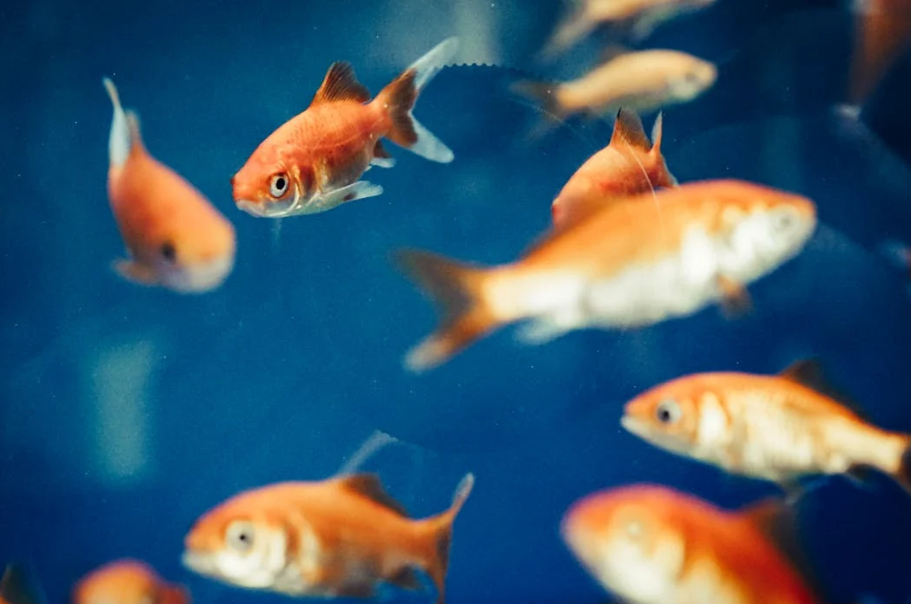
1. Goldfish: A Millennium-Old Treasure Full of Charm
Originating from China, goldfish are among the earliest ornamental fish breeds in the world. Despite their plump and cute appearance, they carry a long heritage of culture and breeding art. From the classic red comet goldfish to fancy types like bubble eyes, pearl scales, and lionheads, the variety seems endless. Symbolizing wealth and good fortune, goldfish are beloved across Asia and the West alike, making them a must-have for both beginners and seasoned hobbyists.
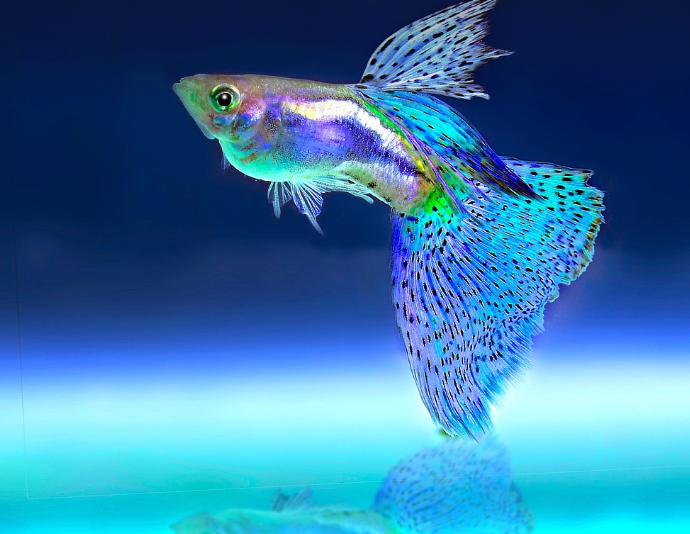
2. Guppy: The Tropical Little Sprite with Brilliant Colors
Guppies are small but dazzling, with stunning colors and elaborate tail shapes, earning them the nickname “little sprites of the water.” Not only are they beautiful, but they are lively, adaptable, and easy to care for, making them top choices for aquarium newbies. Male guppies especially captivate with their vibrant tails that fan out like peacocks in full display. With their strong breeding ability, many fish enthusiasts enjoy the fun of “color cultivation.”
3. Koi: Noble and Elegant Fish of Fortune
Koi originated in Japan and are often called the “aristocrats of the water,” admired for their graceful shape and auspicious red, white, and gold patterns. Beyond being an ornamental fish, koi symbolize good luck in feng shui and are commonly found in garden ponds and upscale water features. Due to their larger size and specific environmental needs, koi are better suited for experienced keepers.
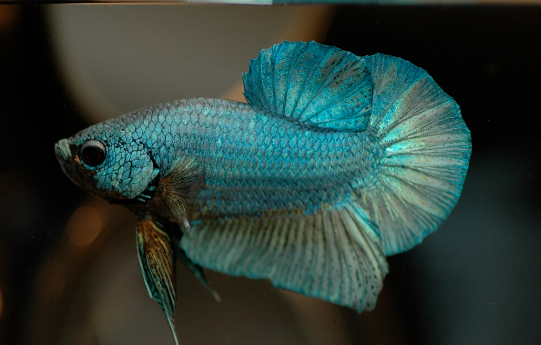
4. Betta Fish: The Small Warrior with Looks and Personality
Betta fish, especially the Thai betta, get their name from their fighting nature. With vivid colors and flowing fins, they are one of the most striking residents in any aquarium. However, they have a strong territorial instinct—male bettas often fight, so typically only one male is kept per tank. This “lone ranger” personality is exactly why many fish lovers adore them as aquarium stars.
5. Flowerhorn Cichlid: The Feng Shui Pet with a “Lucky Head”
Flowerhorn cichlids are man-made ornamental fish originating from Southeast Asia. Their most notable features are the prominent “nuchal hump” on their heads and distinctive markings resembling Chinese characters, making them feng shui favorites. Active and interactive, they can recognize their owners, and many believe they bring good luck—making them very popular in Asian markets. However, growing a well-shaped hump requires considerable time and care, so they may not be suitable for owners with limited free time.
Summary:
These five fish, whether gentle and cute, dazzling in color, or wrapped in cultural mystique, not only brighten up aquariums but also enrich our emotional lives. Do you have any of them swimming in your tank? If not yet, why not “fish” along and pick one to start your aquatic adventure?
https://www.wonhat.com/the-ultimate-guide-to-ornamental-fish-species-care-and-thriving-aquariums/