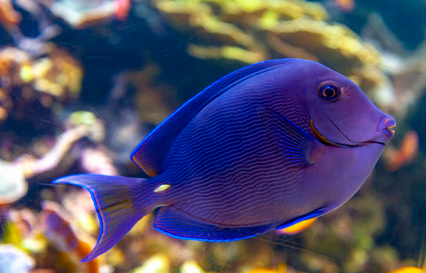
Blue Fantasy: The Visual Feast Brought by the Blue Tang
https://www.wonhat.com/the-ultimate-guide-to-ornamental-fish-species-care-and-thriving-aquariums/
Creating a miniature ocean at home is not only a hobby but also a way to soothe the mind. The Blue Tang, a favorite among aquarium enthusiasts, is like a “little ocean spirit.”
Draped in shimmering blue, it moves gracefully and elegantly; every flick of its tail seems like an underwater dance, bringing a magical visual spectacle to your aquarium.
Let’s explore the unique charm of the Blue Tang in six aspects: appearance, personality, habitat, diet, interaction experience, and viewing enjoyment.
- Captivating Appearance: The Oceanic Blue Gem
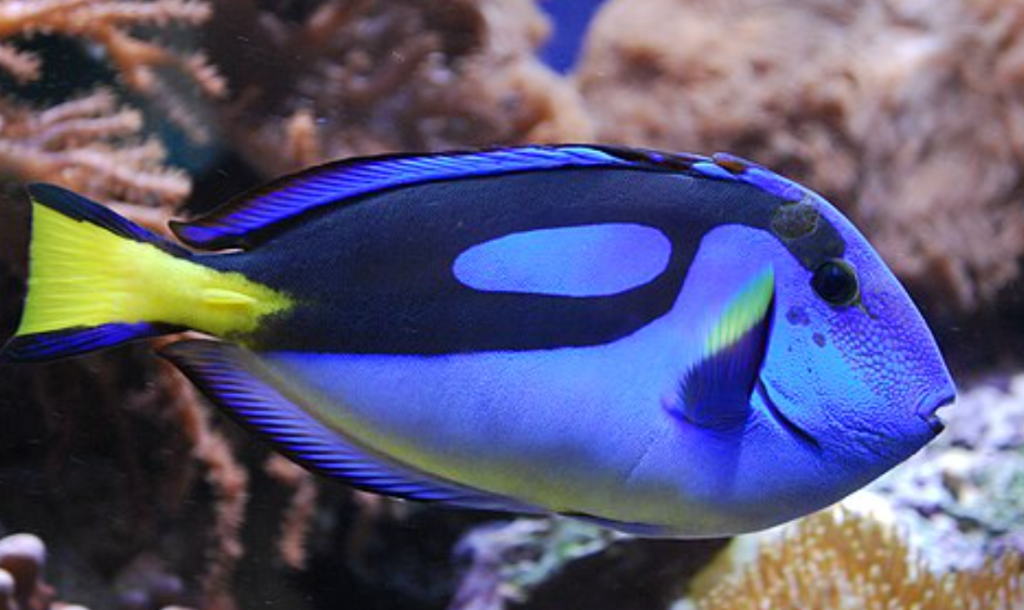
The most striking feature of the Blue Tang is its color. Its body displays varying shades of deep blue, and under different lighting, it can shimmer with silvery highlights. Its wide tail fin ripples as it swims, creating the illusion of dancing in the water. Each fish has slightly different blue patterns, making every individual look like a tiny blue gemstone.
Moreover, the Blue Tang’s streamlined body allows it to move quickly and gracefully. Whether gliding through corals or weaving between aquatic plants, it conveys a sense of serene yet lively beauty.
- Personality: Lively and Friendly
Blue Tangs are energetic and curious about their surroundings. They love to swim around the tank, often weaving through decorations or plants with agile movements.
They generally get along well with other fish, though brief interactions may occur when defending territory. Compared to timid species, their curiosity and friendly nature make them the “stars” of any aquarium, both visually appealing and full of vitality.
- Habitat: Creating an Ideal Aquarium Space
A proper aquarium environment is essential for the Blue Tang’s health. Maintain water temperatures between 24–28°C (75–82°F) with clean, oxygen-rich water. Regular partial water changes help maintain stable conditions and ensure vibrant coloration.
Tank layout is also important. Blue Tangs enjoy hiding spots and exploration spaces, so include corals, rocks, and plants to allow free movement. Arranging the tank to be both aesthetically pleasing and suitable for their natural behavior will highlight their elegant swimming.
- Diet: Balanced Nutrition is Key
Blue Tangs mainly feed on plankton, algae, and specialized aquarium pellets. Supplementing their diet with high-protein, vitamin-rich flakes ensures health and brilliant coloration.
Feed in moderation to prevent leftover food from polluting the water. Providing natural algae occasionally meets their fiber needs and aids digestion and vitality.
- Interaction: The Joy of Observation and Companionship
Although Blue Tangs cannot interact like cats or dogs, their dynamic movements and agile responses make aquarium life enjoyable. Watching them scramble for food or weave through plants brings calmness and joy.
Observing their lively behavior also sharpens your attention to detail. You notice their movements, color changes, eating habits, and overall health. This careful observation is not only caring for the fish but also a rewarding part of daily life.
- Visual Feast: A Mini Ocean at Home
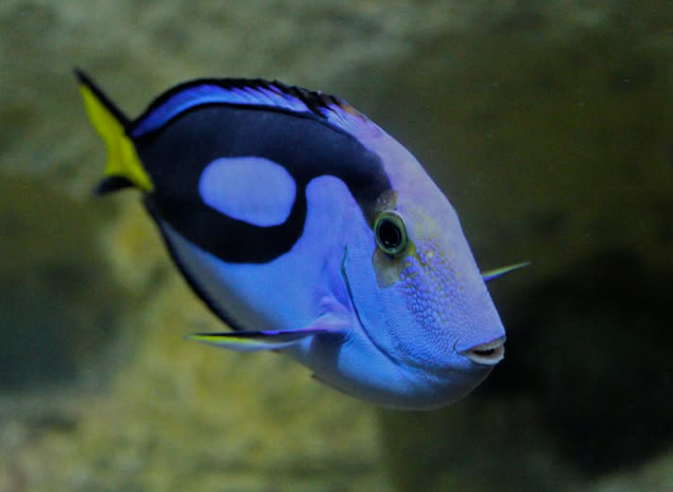
A tank with Blue Tangs feels like a miniature ocean at home. Sunlight or tank lighting highlights their shimmering blue bodies, while plants sway gently and corals dot the scenery, creating a tranquil yet vivid display.
Each glance becomes a feast for the eyes and mind. Whether during a busy workday or a relaxed weekend, watching them glide gracefully and flick their tails provides a sense of serenity and small daily joys.
- Conclusion
The Blue Tang is not just a beautiful aquarium fish but also a “little artist” in daily life. It teaches observation, care, and patience, helping us find calm and joy amidst a busy life.
With proper care, feeding, and attentive observation, the Blue Tang’s elegant movements and shimmering colors provide a daily visual feast, bringing vibrancy and life to your aquarium.
Living with Blue Tangs makes your home feel like a miniature ocean, where every moment is filled with wonder and beauty.
https://www.wonhat.com/the-ultimate-guide-to-ornamental-fish-species-care-and-thriving-aquariums/
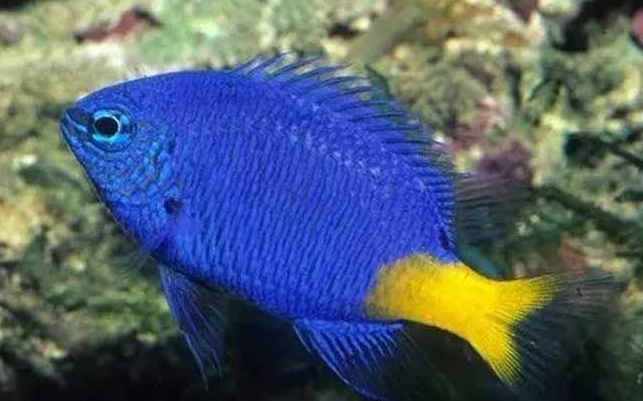
Dancing with the Blue Devil Fish: Little Joys in Aquarium Life
https://www.wonhat.com/the-ultimate-guide-to-ornamental-fish-species-care-and-thriving-aquariums/
Have you ever imagined having a tiny ocean world right in your home? The blue devil fish, with its vibrant colors and graceful movements, has become increasingly popular among aquarium enthusiasts. Watching them shimmer in a tank brings unexpected joy—it’s like dancing with the ocean without leaving your living room.
1. The Allure of the Blue Devil Fish
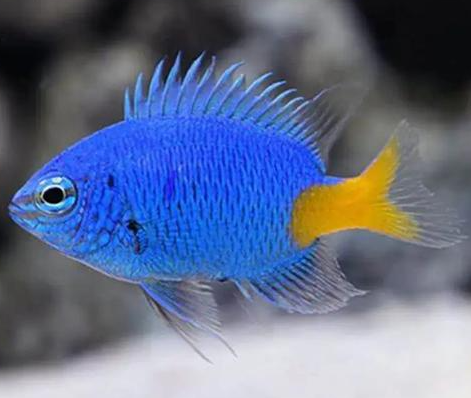
The blue devil fish is famous for its deep blue hue and streamlined body. When it swims, its fins flutter like wings, creating the illusion of an elegant underwater dance. Whether gliding alone or weaving through aquatic plants, it’s hard not to be captivated by its movements.
Beyond their stunning appearance, blue devil fish have playful, curious personalities. They love exploring their surroundings, swimming around plants and decorations, and even occasionally responding to their owner’s gaze. These tiny interactions create a sense of connection that feels surprisingly personal.
2. The Interactive Experience
Keeping fish isn’t just about admiring their colors or watching them swim—it’s a form of observation and companionship. Blue devil fish are agile and quick to react. When you approach the tank, they often swim toward you, curiously checking out the world outside the glass.
Feeding time is a particularly engaging experience. When you sprinkle food, the fish dart forward like little dancers, competing for the treat. Their bursts of energy and liveliness can instantly brighten your mood. Over time, observing them becomes a daily ritual—watching them glide in the morning or spin gracefully in the evening can wash away stress and fatigue.
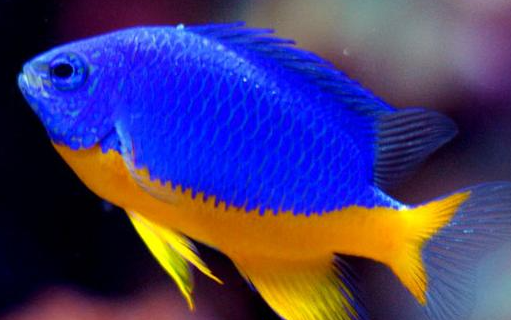
3. Aquarium Care Tips
To truly enjoy life with blue devil fish, proper care is essential. Water quality and environment are critical. These fish thrive in clean, warm water, ideally between 24–28°C (75–82°F). Regular water changes and stable water conditions help keep them healthy and active.
Aquascaping also plays an important role. Blue devil fish enjoy tanks with plants, rocks, and hiding spots where they can swim, hide, and explore. Thoughtful tank arrangements not only stimulate their activity but also enhance the viewing experience.
When it comes to feeding, they prefer floating foods and pellets, given once or twice daily. Observing their appetite and activity levels allows you to adjust portions, ensuring they get proper nutrition without compromising water quality.
4. Little Joys from Aquarium Life
Every day spent with blue devil fish is a unique experience. Watching their smooth, flowing movements brings a sense of calm and healing. After a busy day, quietly observing the tank can be therapeutic, helping to ease anxiety and fatigue.
Caring for the fish—adjusting water temperature, cleaning the tank, and monitoring their health—also cultivates patience and attention to detail. Over time, you may find yourself more mindful and attentive in daily life as well.
5. Daily Delight in Dancing Together
The pleasures of keeping blue devil fish extend beyond visual appeal. Their swimming rhythms, curiosity, and small interactive behaviors can become little surprises that brighten your everyday life.
Imagine sunlight streaming into your living room, blue devil fish shimmering in the water as plants sway gently—like a miniature underwater dance unfolding before your eyes. This sense of ritual transforms your home into a tiny natural haven.
6. Conclusion
Blue devil fish are not just beautiful aquarium pets—they are little “life coaches.” They teach observation, patience, and attentiveness, providing moments of tranquility amid a fast-paced world. Feeding them, watching them, and simply enjoying their graceful presence can be a small but meaningful joy.
Having a blue devil fish at home isn’t just about adding an ornamental creature; it adds color and rhythm to your life. Whether on a hectic workday or a relaxed weekend, watching them glide effortlessly brings a simple, genuine happiness. Let’s gather in front of the aquarium and dance with the blue devil fish, savoring the little joys of life.
https://www.wonhat.com/the-ultimate-guide-to-ornamental-fish-species-care-and-thriving-aquariums/
“Little Knights of the Ocean”: The Secret Life of Seahorses
https://www.wonhat.com/unique-aquatic-wonders-a-guide-to-marine-and-freshwater-marvels/
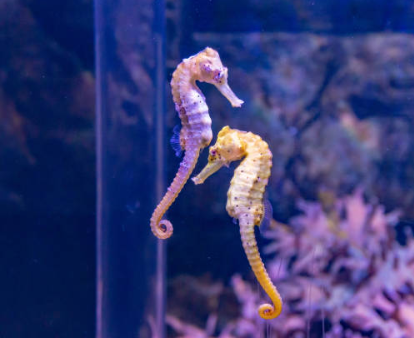
When you think of seahorses, you probably imagine those slow-swimming, super cute little fish darting among the seaweed, right? That’s right—seahorses are a very special kind of fish in the ocean. With their horse-like heads and unique swimming style, they look charming and have earned the nickname “little knights of the sea.”
Today, let’s dive into the daily lives of these little ocean knights.
1. Distinct Appearance: The Charming “Armored Knights”
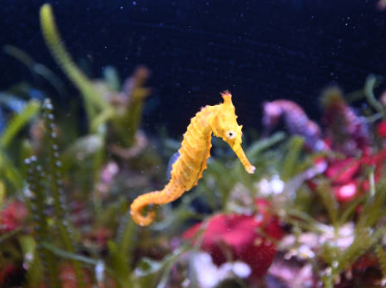
Seahorses are easy to recognize: their heads resemble horses, and their bodies are covered in a tough, bony ring armor, almost like they’re wearing a suit of armor. This armor not only protects them from predators but also gives them a slow and graceful way of moving, quite different from other fish.
Don’t be fooled by their slow swimming—their tails are incredibly strong and prehensile. Seahorses use their tails to tightly grip onto seaweed or coral to avoid being swept away by currents, just like knights holding their reins firmly and steadily.
2. The Amazing “Pregnant Dad” Story
The biggest secret about seahorses is their unique parenting—male pregnancy! Yes, you heard that right, it’s the seahorse dads who are the real “expecting parents.”
After the female lays eggs, she deposits them into the male’s brood pouch on his belly. The dad then protects the eggs and supplies oxygen and nutrients.
After about 2 to 4 weeks, the little babies hatch and swim off into the ocean. This rare male pregnancy is a true miracle in the natural world, making seahorses one of the ocean’s wonders.
3. Slow and Steady, Yet Master Hunters
Seahorses swim slowly but they’re no pushovers. Their mouths act like straws, quickly sucking in tiny shrimp, plankton, and other small prey. They mainly hunt by patiently lying in wait, using a “hide-and-ambush” tactic.
Blending with their environment thanks to their camouflaging colors, they avoid detection by predators and sneak up on prey, swiftly inhaling them. Their hunting efficiency is surprisingly high despite their slow speed.
4. Masters of Camouflage
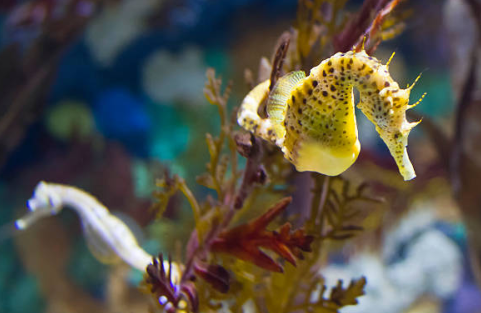
Seahorses can change their body colors to match their surroundings—from bright yellows and oranges to deep browns or even translucent shades—helping them hide from predators.
This color-changing ability also plays a role in courtship. Their mating dances are quite complex, with two seahorses shifting colors in sync as a form of “conversation” to attract each other.
5. Small and Fragile, Needing Careful Protection
Though their “armor” looks tough, seahorses are small and slow, facing many predators and survival challenges.
They mainly live in coral reefs, seagrass beds, and mangroves—places that offer lots of hiding spots and food but are increasingly threatened by environmental damage.
Protecting these habitats is key to ensuring these little knights can keep swimming freely in the ocean.
6. Seahorses and Humans: A Fascinating Connection
In human culture, seahorses symbolize strength, patience, and protection. In some places, they are seen as lucky charms.
Today, as ocean conservation awareness grows, more people pay attention to seahorse ecology and protection. Seahorses have also become stars in ocean-themed aquariums, captivating countless visitors.
Summary
Seahorses, these “little knights of the ocean,” with their unique shape and magical lifestyle, show us the wonders and diversity of nature. They remind us that protecting the ocean means safeguarding not only the homes of creatures but also this unique beauty and mystery.
Next time you dive underwater or see seahorses in an aquarium, don’t forget—these little knights hold many untold stories waiting for you to discover.
https://www.wonhat.com/unique-aquatic-wonders-a-guide-to-marine-and-freshwater-marvels/
Can You Keep a Pufferfish as a Pet? Must-Know Tips for Beginners
https://www.wonhat.com/the-ultimate-guide-to-specialized-aquatic-pets-mastering-pufferfish-and-kohaku-koi-care/
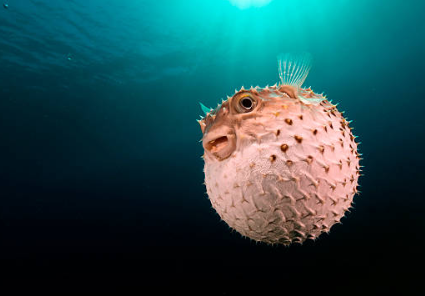
When people think of pufferfish, the first image that often comes to mind is a cute, round little fish puffing itself up into a ball.
With their big eyes and innocent expressions, even just lazily swimming around in a tank, they can easily melt your heart.
But here’s the question: Can you really keep a pufferfish as a pet?
The answer is—yes, you can.
However, it’s not as easy as keeping goldfish or guppies. If you want to keep one happy and healthy, you’ll need to be well-prepared.
Why Do People Want to Keep Pufferfish?
The charm of a pufferfish lies in its unique appearance and personality.
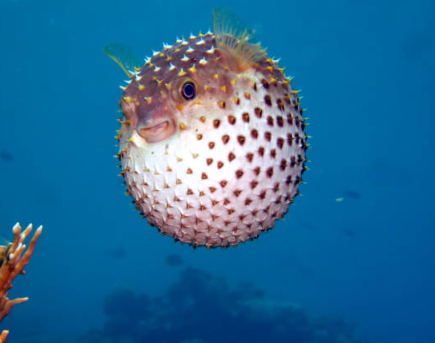
When startled or stressed, they can quickly suck in a large amount of water (or air) and inflate into a round ball—a transformation that’s both adorable and fascinating to watch.
Pufferfish are also curious and interactive. Over time, they may recognize their owner and even swim over to “greet” you when you approach the tank.
That said, caring for a pufferfish comes with its own special needs and potential risks.
Pufferfish Personality Traits
Smart and Curious – They’re quick to investigate new things in their environment and will gradually get used to your presence.
A Bit Aggressive – Not exactly the “peaceful, friendly” type; they may nip at the fins of other fish, so tank mates must be chosen carefully.
Independent – They don’t necessarily need companions and can do just fine living alone.
Types of Pufferfish
Not all pufferfish are saltwater fish. They generally fall into three categories:
Freshwater Pufferfish – Easier for beginners, such as the small Green Spotted Puffer or Dwarf Puffer.
Brackish Water Pufferfish – Require a specific salinity level, like the Figure Eight Puffer.
Saltwater Pufferfish – Require more complex care, suitable for experienced aquarists.
For beginners, it’s best to start with freshwater or brackish pufferfish—they’re easier to maintain and don’t require a full marine setup.
Beginner’s Guide to Keeping Pufferfish
1. Provide Enough Space
Even though some pufferfish are small, they still need plenty of swimming room.
Small freshwater species: at least a 40–60 liter (10–15 gallon) tank.
Medium to large species: ideally 100 liters (25+ gallons) or more.
A cramped tank can make them stressed and more prone to illness.
2. Keep the Water Clean
Pufferfish are sensitive to water quality, especially ammonia and nitrite levels, which should be as close to zero as possible.
A strong, stable filtration system is essential, and you should change 20–30% of the water weekly.
For brackish or marine species, monitor salinity closely. Tip: cycle your tank before introducing a pufferfish to ensure stable water conditions.
3. Feed Them Properly
Pufferfish are carnivores and prefer live or frozen meaty foods, such as:
Small shrimp
Snails
Clam meat
Earthworms
These foods not only provide nutrition but also help keep their constantly growing teeth worn down. Without proper wear, their teeth can overgrow and make eating difficult.
4. Be Careful with Tank Mates
Two main issues in mixed tanks:
Pufferfish may nip at other fish’s fins.
Overly active fish can stress pufferfish out.
If you must keep them with other fish, choose fast swimmers that don’t share the same swimming area—or better yet, keep pufferfish alone.
5. Mind Their Toxicity
While most pet pufferfish aren’t highly toxic, some—especially wild-caught ones—can still carry tetrodotoxin (TTX).
Avoid handling them directly.
Never eat a pufferfish you’ve kept as a pet.
Wear gloves when cleaning the tank to prevent injury or infection.

The Joy of Keeping Pufferfish
Full of Personality – They’re not “blank-faced” like some fish; they display emotions and reactions.
Interactive – Over time, they may actively swim up to you.
Visually Charming – Watching them puff up is truly a “wow” moment.
Challenges and Responsibilities
The biggest challenges in keeping pufferfish are maintaining water quality and providing the right diet.
If you’re looking for a casual, low-maintenance fish, pufferfish may not be the best choice.
But if you’re willing to put in the time and learn, they can be one of the most rewarding aquatic pets you’ll ever keep.
Conclusion
Yes—pufferfish can be kept as pets, if you’re committed to caring for them properly.
Keep these three golden rules in mind:
Start with beginner-friendly species (freshwater or brackish).
Water quality is the lifeline—never neglect it.
Respect their nature; don’t treat them like toys.
Do this, and you’ll enjoy a unique and delightful companionship with your “little shape-shifting cutie,” watching it thrive happily in your aquarium.
https://www.wonhat.com/the-ultimate-guide-to-specialized-aquatic-pets-mastering-pufferfish-and-kohaku-koi-care/
Underwater Hunting Master: How the Electric Eel Uses Electricity to Subdue Its Prey
https://www.wonhat.com/unique-aquatic-wonders-a-guide-to-marine-and-freshwater-marvels/
When it comes to creatures that can “generate electricity” in the water, most people immediately think of the electric eel.
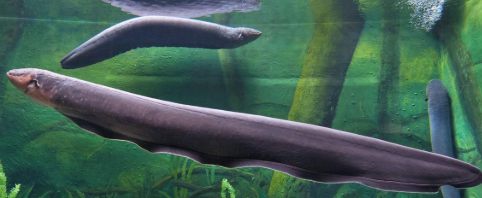
It may look ordinary at first glance—a long, grayish, unremarkable body—but in reality, it’s like a super-powered arsenal of the freshwater world.
Electric eels can generate electricity using their own bodies, and their voltage is so high that it can instantly stun their prey—just like someone suddenly cutting the main breaker in your house.
Today, let’s talk about how electric eels use electricity to take down their prey.
Meet the Electric Eel: Plain Looks, Extraordinary Power
Electric eels mainly live in the Amazon Basin of South America and have been residents there for ages.
Despite its name, the electric eel isn’t actually an eel—it’s more closely related to knifefish and arowana.
Its body is long and slender, reaching up to two meters in length and weighing up to 20 kilograms—like a living underwater power cable.
Here’s the fascinating part: almost the entire body of an electric eel is like a power plant.
Its electric cells (called electrocytes) are arranged in large “battery packs,” making up over 80% of its body length.
While other fish use their muscles for swimming, the electric eel uses its muscles… to generate electricity.
How Powerful Is Its “Charge”?
Many people wonder how strong an electric eel’s discharge really is.
The answer: extremely powerful.
An adult electric eel can generate between 600 and 800 volts, with some recorded cases exceeding 860 volts—several times higher than the voltage of a household outlet (220 volts).
And it can keep the discharge going for several hundred milliseconds, leaving prey completely paralyzed with no chance of escape.
Electric eels have two modes of discharge:
Low-voltage mode – Used to sense the surrounding environment, like a radar.
High-voltage mode – Used to unleash a full-force attack, putting prey into an instant “shutdown” state.
The Hunting Process: Scan First, Then Strike
Electric eels don’t just blast out electricity blindly—they’re smart hunters. Here’s their usual hunting sequence:
1. Radar Scan
The eel emits low-voltage pulses to probe its surroundings.
Since water conducts electricity, any movement from another creature disturbs the electric field, allowing the eel to pinpoint the prey’s location.
2. Target Lock
Once it detects a target, it approaches slowly to avoid startling it.
Sometimes, the eel will use its body to corral the prey into a smaller area.
3. High-Voltage Ambush
When the target is within striking range, the eel releases a powerful high-voltage shock.
This causes the prey’s muscles to contract instantly, freezing it in place.
4. The Final Bite
Before the prey recovers, the eel grabs it with its strong jaws and swallows it whole.
With sharp teeth and a strong bite, it can take down small fish, shrimp, and even small turtles.

Electricity Beyond Hunting
An electric eel’s electrical ability isn’t just for catching food. It also uses electricity for:
Defense – Against predators like large fish or caimans, delivering a warning shock to drive them away.
Communication – Sending low-voltage electrical signals to other eels, like secret codes.
Navigation – In murky waters, its electric “radar” works better than vision.
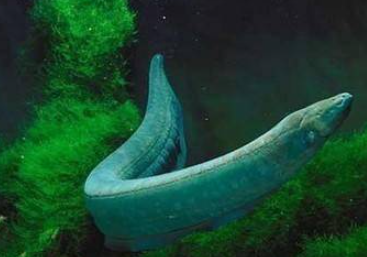
Can an Electric Eel Kill a Human?
This is a question many people ask.
In theory, a high-voltage discharge from a large adult electric eel can be dangerous to humans—especially if shocked repeatedly in the water.
It can cause muscle paralysis, drowning, or even cardiac arrest.
However, wild electric eels generally don’t attack humans unless provoked or threatened.
What Humans Have Learned from Them
Scientists have long studied electric eels for their impressive ability to generate and control electricity with high efficiency.
This research could inspire advances in better batteries, bio-electric power sources, and even bio-inspired robotics.
Conclusion
The electric eel is like a high-voltage predator of the aquatic world.
It doesn’t rely on speed to catch its prey but instead uses its unique electrical attack to instantly disable its target—a hunting strategy almost unmatched among freshwater creatures.
So, next time you’re exploring the Amazon and happen to see one, keep a safe distance—this underwater hunting master’s electricity is no joke.
https://www.wonhat.com/unique-aquatic-wonders-a-guide-to-marine-and-freshwater-marvels/