
https://www.wonhat.com/the-ultimate-guide-to-ornamental-fish-species-care-and-thriving-aquariums/
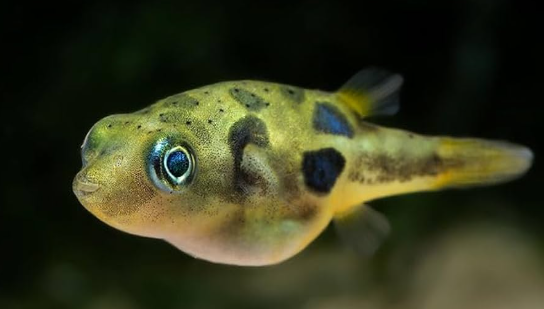
The first time you see a pea puffer at a pet store, you’ll probably melt at its round little body and those innocent, big eyes. It’s only about 3 centimeters long, with a smooth, plump shape dotted with golden spots—looking just like a lively little pea. Many first-time fish keepers are instantly charmed by its cuteness. But don’t be fooled by its adorable appearance—this tiny fish is a true little predator and the most charmingly fierce character in the aquarium.
Small Body, Big Ambitions
The pea puffer, also called the dwarf pufferfish (scientific name Carinotetraodon travancoricus), comes from freshwater rivers in India. Unlike typical puffers that live in the ocean, the pea puffer is a true freshwater species and does not need salt. Though small, it is fiercely territorial—any fish that comes close to its domain will be immediately attacked.
Despite its cute look, when it strikes, its tiny mouth is armed with sharp teeth that can easily nip off fins from other fish or even crush snail shells. Many fish keepers initially think it can peacefully coexist with guppies or zebra fish, only to find their tankmates seriously damaged overnight.
Picky Yet Greedy Eater
The pea puffer is very selective about food. It refuses dry pellets and insists on live food like small snails, brine shrimp, or bloodworms. Jokingly called the “snail’s nightmare,” a tank full of pond snails will be devoured in just a few days by these little gourmets.
When feeding, it watches you intently with its big round eyes, like a tiny scout, ready to pounce the moment food drops. Its eager and greedy demeanor is both frustrating and hilarious.
To Keep Alone or in Groups?
Many beginners want to keep multiple pea puffers because they look so cute. However, if the tank isn’t large enough, they tend to fight among themselves over territory and food, often nipping each other. The best approach is to keep just one, or if you want multiple, use a tank at least 60 cm long with plenty of plants and rocks to create hiding spots and separate territories.
If you must mix them with other fish, never keep them with long-finned species such as guppies or small bettas, as pea puffers instinctively nip at long fins. It’s not mischief—it’s their natural behavior.
The Balance of Cute and Fierce
Perhaps this sharp contrast is what makes the pea puffer so addictive. Cute yet cocky, like a quirky little tyrant, it adds drama and personality to your aquarium. Experienced keepers say: “Once you’ve kept a pea puffer, it’s hard to be interested in other fish again.”
With enough space, plenty of live food, and cozy hiding places, it will quietly patrol your tank, occasionally tilting its head at you as if to say, “Where’s today’s snail?”
Summary
The pea puffer is an interesting little fish—adorable but a bit feisty. If you want a pet with personality in your aquarium, give it a try. As long as you’re okay with its little temper, it will become the most unique and captivating companion in your tank.
https://www.wonhat.com/the-ultimate-guide-to-ornamental-fish-species-care-and-thriving-aquariums/