https://www.wonhat.com/the-ultimate-guide-to-specialized-aquatic-pets-mastering-pufferfish-and-kohaku-koi-care/
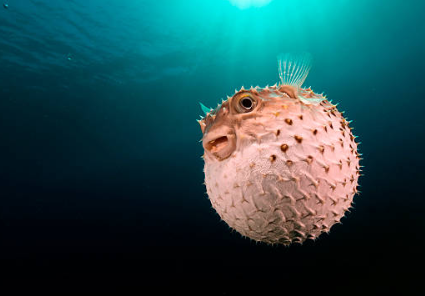
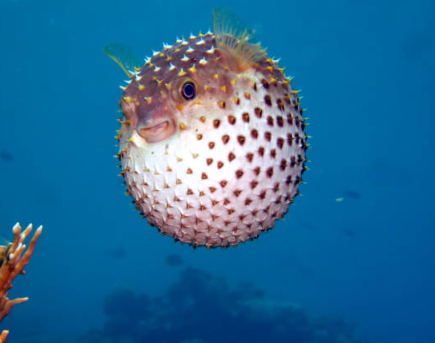
When people think of pufferfish, the first image that often comes to mind is a cute, round little fish puffing itself up into a ball.
With their big eyes and innocent expressions, even just lazily swimming around in a tank, they can easily melt your heart.
But here’s the question: Can you really keep a pufferfish as a pet?
The answer is—yes, you can.
However, it’s not as easy as keeping goldfish or guppies. If you want to keep one happy and healthy, you’ll need to be well-prepared.
Why Do People Want to Keep Pufferfish?
The charm of a pufferfish lies in its unique appearance and personality.
When startled or stressed, they can quickly suck in a large amount of water (or air) and inflate into a round ball—a transformation that’s both adorable and fascinating to watch.
Pufferfish are also curious and interactive. Over time, they may recognize their owner and even swim over to “greet” you when you approach the tank.
That said, caring for a pufferfish comes with its own special needs and potential risks.
Pufferfish Personality Traits
Smart and Curious – They’re quick to investigate new things in their environment and will gradually get used to your presence.
A Bit Aggressive – Not exactly the “peaceful, friendly” type; they may nip at the fins of other fish, so tank mates must be chosen carefully.
Independent – They don’t necessarily need companions and can do just fine living alone.
Types of Pufferfish
Not all pufferfish are saltwater fish. They generally fall into three categories:
Freshwater Pufferfish – Easier for beginners, such as the small Green Spotted Puffer or Dwarf Puffer.
Brackish Water Pufferfish – Require a specific salinity level, like the Figure Eight Puffer.
Saltwater Pufferfish – Require more complex care, suitable for experienced aquarists.
For beginners, it’s best to start with freshwater or brackish pufferfish—they’re easier to maintain and don’t require a full marine setup.
Beginner’s Guide to Keeping Pufferfish
1. Provide Enough Space
Even though some pufferfish are small, they still need plenty of swimming room.
Small freshwater species: at least a 40–60 liter (10–15 gallon) tank.
Medium to large species: ideally 100 liters (25+ gallons) or more.
A cramped tank can make them stressed and more prone to illness.
2. Keep the Water Clean
Pufferfish are sensitive to water quality, especially ammonia and nitrite levels, which should be as close to zero as possible.
A strong, stable filtration system is essential, and you should change 20–30% of the water weekly.
For brackish or marine species, monitor salinity closely. Tip: cycle your tank before introducing a pufferfish to ensure stable water conditions.
3. Feed Them Properly
Pufferfish are carnivores and prefer live or frozen meaty foods, such as:
Small shrimp
Snails
Clam meat
Earthworms
These foods not only provide nutrition but also help keep their constantly growing teeth worn down. Without proper wear, their teeth can overgrow and make eating difficult.
4. Be Careful with Tank Mates
Two main issues in mixed tanks:
Pufferfish may nip at other fish’s fins.
Overly active fish can stress pufferfish out.
If you must keep them with other fish, choose fast swimmers that don’t share the same swimming area—or better yet, keep pufferfish alone.
5. Mind Their Toxicity
While most pet pufferfish aren’t highly toxic, some—especially wild-caught ones—can still carry tetrodotoxin (TTX).
Avoid handling them directly.
Never eat a pufferfish you’ve kept as a pet.
Wear gloves when cleaning the tank to prevent injury or infection.

The Joy of Keeping Pufferfish
Full of Personality – They’re not “blank-faced” like some fish; they display emotions and reactions.
Interactive – Over time, they may actively swim up to you.
Visually Charming – Watching them puff up is truly a “wow” moment.
Challenges and Responsibilities
The biggest challenges in keeping pufferfish are maintaining water quality and providing the right diet.
If you’re looking for a casual, low-maintenance fish, pufferfish may not be the best choice.
But if you’re willing to put in the time and learn, they can be one of the most rewarding aquatic pets you’ll ever keep.
Conclusion
Yes—pufferfish can be kept as pets, if you’re committed to caring for them properly.
Keep these three golden rules in mind:
Start with beginner-friendly species (freshwater or brackish).
Water quality is the lifeline—never neglect it.
Respect their nature; don’t treat them like toys.
Do this, and you’ll enjoy a unique and delightful companionship with your “little shape-shifting cutie,” watching it thrive happily in your aquarium.
https://www.wonhat.com/the-ultimate-guide-to-specialized-aquatic-pets-mastering-pufferfish-and-kohaku-koi-care/