https://www.wonhat.com/the-ultimate-guide-to-specialized-aquatic-pets-mastering-pufferfish-and-kohaku-koi-care/
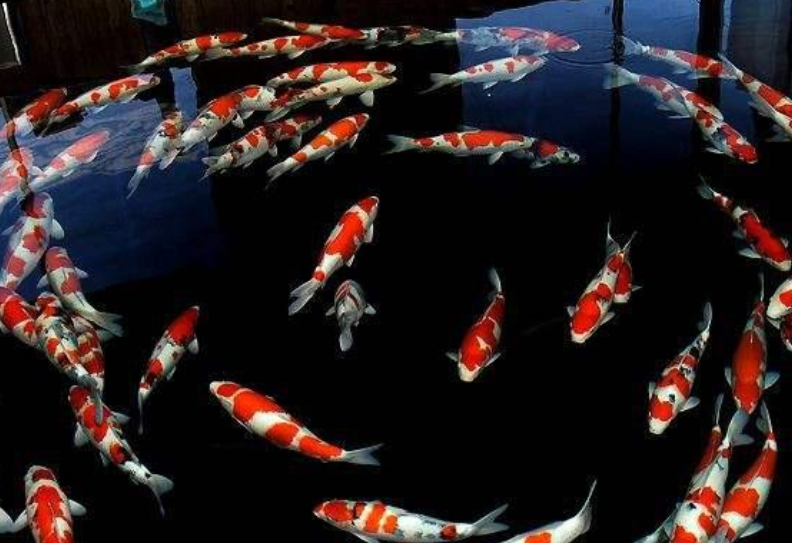
When people think of koi fish, the image that often comes to mind is a graceful, vibrant fish gliding through the water. Among the many koi varieties, Kohaku koi—with their striking red-and-white coloration—are undoubtedly one of the most iconic and beloved types. Their elegant appearance and symbolic meanings of luck and prosperity make them a favorite among koi enthusiasts.
If you’re thinking about keeping a Kohaku koi, this guide is for you. From choosing the right fish to creating the ideal environment and ensuring proper care, here’s how to help your Kohaku koi thrive and stay beautiful.
1. How to Choose a Healthy Kohaku Koi
Picking out a Kohaku koi isn’t as simple as selecting a pretty one at random. The fish’s appearance and health will directly impact its long-term well-being and aesthetic appeal. Here’s what to look for when choosing:
1. Balanced Body Shape
A healthy Kohaku koi should have a well-proportioned, full body with no signs of deformity or weakness. Watch how it swims—strong, steady movement is a good sign.
2. Smooth, Shiny Scales
The koi’s scales should be complete, shiny, and uniform. Missing or damaged scales may indicate past injuries or illness.
3. Distinct, Vibrant Colors
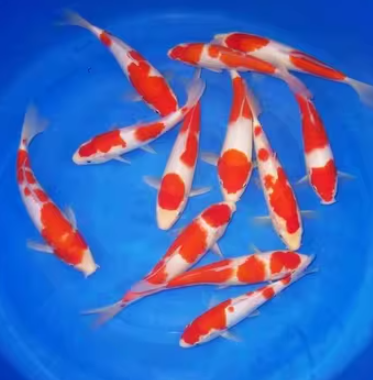
A good Kohaku has clear and contrasting red (hi) and white (shiroji) areas. The red should be deep and rich, while the white should be clean and snow-like. Avoid fish with dull, faded, or yellow-tinted colors.
4. Bright, Clear Eyes
Healthy koi have clear, alert eyes. Cloudiness, spots, or dullness in the eyes can be signs of illness.
5. No Wounds or Parasites
Check for unusual spots, sores, or parasites on the fish’s body. A clean, blemish-free appearance is ideal.
Tip: Always purchase from a reputable breeder or aquarium shop. This ensures you’re getting healthy, well-cared-for fish.

2. Creating the Right Environment for Kohaku Koi
Once you’ve chosen your koi, you’ll need to provide a comfortable and clean environment. Kohaku koi can be sensitive to poor conditions, so setting things up properly is crucial.
1. Water Quality
Clean, stable water is essential. High levels of ammonia or nitrates can harm or even kill koi. Maintain a pH level between 7.0 and 8.0. Change 25%–33% of the water regularly to keep it fresh and balanced.
2. Ideal Water Temperature
Kohaku koi thrive in water between 18°C to 24°C (64°F–75°F). Use aerators or water pumps in summer to keep the water cool, and consider heaters in winter to prevent drops that could cause stress or illness.
3. Sufficient Space
Kohaku can grow quite large, so they need plenty of room to swim. A pond at least 60 cm (24 inches) deep or an aquarium of 150 liters (40 gallons) or more is recommended. Cramped conditions can stunt growth and affect health.
4. Strong Filtration System
Because koi eat a lot and produce significant waste, a strong filter is a must. Use an external filter or a powerful pump system to keep the water clean and oxygen-rich.
3. Feeding Your Kohaku Koi
A proper diet is key to keeping your koi healthy, vibrant, and resistant to disease. Kohaku koi are omnivores and benefit from a varied, well-balanced diet:
1. High-Quality Pellet Food
Choose koi-specific pellets that contain a good mix of protein, vitamins, and minerals. In spring and fall, opt for higher-protein feed to support growth and activity. In summer, switch to lighter feed to aid digestion in warmer water.
2. Live Foods
Occasionally offer live treats like water insects or snails. These encourage natural hunting behaviors and add variety.
3. Vegetables
Boiled spinach, lettuce, or peas can provide fiber and help with digestion.
4. Feed in Moderation
Koi have big appetites, but overfeeding can pollute the water. Feed 2–3 times per day, giving only what they can eat within 5 minutes each time.
4. Common Kohaku Koi Problems and Solutions
Even with the best care, koi keepers may encounter some challenges. Being aware of potential issues can help you respond quickly:
1. Poor Water Quality
This is the most common cause of koi illness. Keep a regular cleaning schedule, check water parameters often, and clean or replace filters when needed.
2. Loss of Appetite
If your koi stops eating, check for stress factors: improper temperature, dirty water, or illness. Observe behavior and adjust care accordingly.
3. Spots or Sores on the Body
These could be signs of a bacterial infection or parasites. Isolate the sick fish and treat with appropriate medication recommended for koi.
5. Final Thoughts
Kohaku koi are not only beautiful but also rewarding to keep. With the right selection, a suitable environment, and thoughtful care, your koi will thrive and become a stunning living centerpiece in your pond or aquarium.
Caring for koi is a journey that requires patience and attention, but the joy of watching them glide gracefully through the water makes it all worthwhile.
https://www.wonhat.com/the-ultimate-guide-to-specialized-aquatic-pets-mastering-pufferfish-and-kohaku-koi-care/