https://www.wonhat.com/the-ultimate-guide-to-ornamental-fish-species-care-and-thriving-aquariums/
If you grew up watching Finding Nemo, chances are you fell in love with that little orange-and-white fish named Nemo—brave, cheeky, and clever. Nemo made clownfish famous, and many of us started wondering: what are clownfish really like?
As it turns out, real-life clownfish do share some similarities with their animated counterpart, but there are also some big differences. Let’s dive into the world of real clownfish and discover what makes them such fascinating ocean creatures.
1. What Do Clownfish Look Like?
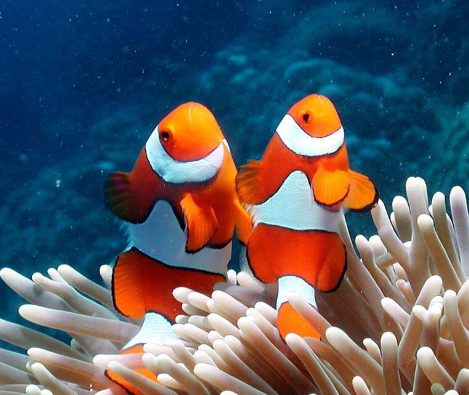
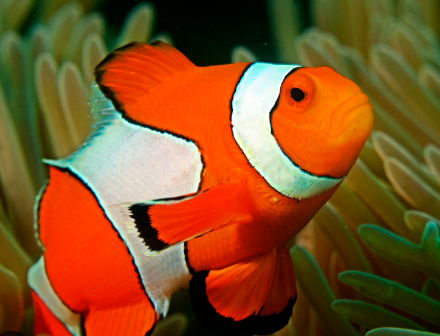
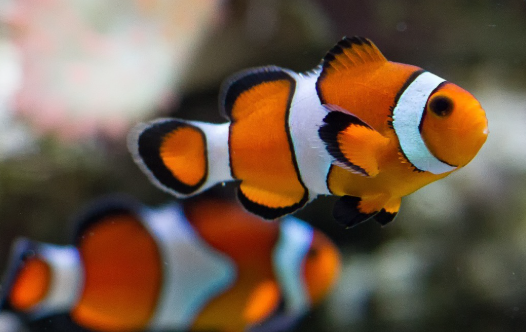
The first thing people notice about clownfish is their bright, striking color. Typically orange with white bands outlined in black, clownfish are hard to miss. These markings aren’t just for looks—they help clownfish recognize each other in the reef.
Clownfish are small, usually only 6 to 10 centimeters (about 2.5 to 4 inches) long. Their petite size makes them well-suited for life among sea anemones and coral reefs.
2. Where Do Clownfish Live?
In the wild, clownfish are found in warm tropical waters, especially around coral reefs in the Indo-Pacific region. Unlike in the movies where they seem to swim freely all the time, clownfish mostly stay close to home—specifically, inside sea anemones.
Now here’s the twist: sea anemones are actually quite dangerous. Their tentacles contain venom used to catch prey. But clownfish are special—they’ve formed a symbiotic relationship with sea anemones. The clownfish live among the stinging tentacles, protected from predators, and in return, they defend the anemone from invaders and help clean up leftover food.
It’s a win-win partnership that’s quite common in reef ecosystems. Thanks to this bond, clownfish avoid predators and sea anemones get a little help with housekeeping.
3. What Do Clownfish Eat?
Clownfish are omnivores, meaning they eat a mix of plants and animals. Their diet includes plankton, small algae, and tiny ocean critters. In the wild, they dart around the sea anemone to find food in nearby crevices, using their agility and small size to reach tricky spots.
In home aquariums, clownfish usually eat marine fish pellets, freeze-dried algae, and small crustaceans like brine shrimp. They’re not picky, but they do best with regular meals and a clean, stable environment. And while they can survive without anemones, they really thrive when they have one nearby.
4. How Do Clownfish Reproduce?
Clownfish have a pretty amazing reproductive system. They lay eggs on hard surfaces near their sea anemone “home,” and the male is usually the one who guards the eggs until they hatch.
Here’s the wild part—clownfish can change sex! In a breeding pair, the larger fish is always the female, and the smaller one is the male. If the female dies or disappears, the male will actually transform into a female and continue the breeding cycle with a new male.
This gender-switching ability is a survival strategy that helps clownfish keep reproducing even in small or isolated environments.
5. Clownfish and Humans
Thanks to their vibrant colors and friendly appearance, clownfish are favorites among aquarium enthusiasts and ocean lovers. You’ll find them in aquariums all over the world—and yes, they’ve become beloved pets for many people.
But don’t be fooled by how easy life looks in Finding Nemo. In the real ocean, clownfish face serious threats, like pollution, habitat loss, and climate change.
That’s why it’s important to enjoy clownfish responsibly. Whether you’re keeping them in a tank or just admiring them in the wild, do your part to protect their environment and avoid disturbing their natural habitat.
6. Final Thoughts
From animated films to real reefs, clownfish have captured our hearts with their charm and resilience. They’re not only adorable—they’re also a key part of the coral reef ecosystem.
By learning more about their behavior, needs, and natural environment, we can better appreciate these small but mighty fish—and hopefully be inspired to help protect the oceans they call home.
https://www.wonhat.com/the-ultimate-guide-to-ornamental-fish-species-care-and-thriving-aquariums/