https://www.wonhat.com/the-ultimate-guide-to-ornamental-fish-species-care-and-thriving-aquariums/
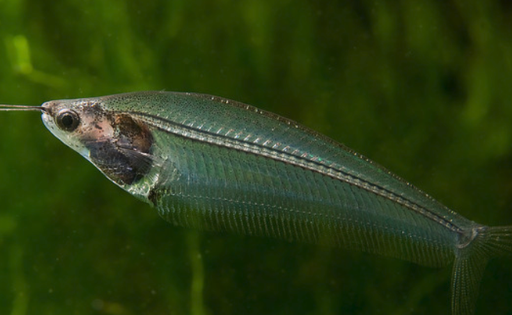
Among various ornamental fish, the glass fish, known for its transparency, is considered an underwater wonder by aquarium enthusiasts. From the front, one can practically see its skeleton, internal organs, and blood vessels, creating a miniature underwater world. The glass fish belongs to the family Bilateria, and has a laterally compressed, short body. Adults are typically 5 to 6 centimeters long.
Males are pale yellow, while females are slightly darker. They often have a silvery, round spot in the center of their abdomens, which allows them to be distinguished. While this transparent fish is beautiful, the common glass fish on the market come in colors like pink, sky blue, tender green, and golden yellow, most of which are artificially dyed using lasers.
Under the light, the color is particularly bright, but this color is not long-lasting and may shorten the life of the fish. Therefore, choosing a naturally transparent or slightly dyed glass fish can help them live longer and healthier.
Breeding environment and water quality management
Glass Lala fish have high water quality requirements, and maintaining a stable and clean water environment is crucial for successful breeding. Ideally, the water temperature should be maintained between 24°C and 28°C , with a pH of 6.5 to 7.5 and a water hardness of 8 to 15 dehydrated greenhouse gases (dGH). As this fish is active, the aquarium should be spacious, with plants and rocks to provide them with shelter, habitats, and play areas.
Regular water changes are crucial for maintaining fresh water quality. We recommend changing approximately 20-30% of the water volume weekly to prevent ammonia and nitrate buildup and maintain fish health. Additionally, the pump and filter should be appropriately sized for the aquarium to ensure a steady and clean water flow.
Feed and nutritional requirements
Glass Lala are omnivorous fish with a wide diet, accepting pelleted feeds, artificial formula feeds, raw bait, and frozen bait. A balanced nutritional supply is crucial for maintaining their transparent color and vitality. When choosing a feed, consider choosing a protein-rich and trace element-rich feed to promote optimal growth and reduce health issues associated with nutritional imbalances.
In addition, live or frozen baits, such as brine shrimp and Daphnia, can enhance the fish’s natural foraging behavior, promote bright coloration, and increase the fun of observation and interaction. It is worth noting that overfeeding may lead to deterioration of water quality, and the amount of feed should be strictly controlled to ensure the ecological balance of the aquarium.
Fish personality and behavioral characteristics
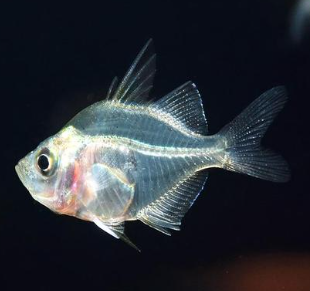
Glass Lala fish are gentle and lively, making them suitable for group housing. They are agile swimmers and enjoy moving freely within the aquarium, especially among plants and rocks. Their transparent coloration creates unique light and shadow effects, adding to their visual beauty. Compared to other lively fish, glass Lala fish are generally less aggressive towards others, but they may exhibit territorial awareness during the breeding season, so it’s important to monitor and manage the school density appropriately.
In daily care, glass lagoons are sensitive to changes in lighting and their environment. Strong light or sudden changes in the environment can cause stress. Therefore, use soft lighting and avoid frequent aquarium moves or changes to the aquarium scenery. Creating a stable and comfortable environment will help maintain the vitality and health of the fish.
Key points of reproduction and breeding
Glass Lala fish breed annually, typically in spring and summer when water temperatures are favorable. Males attract females through their coloration and body display, which in turn attracts females. Females lay approximately four eggs, which incubate for approximately two weeks. Because the fish’s body is transparent, the development of the eggs is intuitively observed, providing a unique viewing experience for aquarium enthusiasts.
During the breeding period, providing appropriate aquatic plants, rocks, or artificial breeding nests can increase the success rate of hatching. At the same time, maintaining good water quality and abundant feed can keep the breeding individuals healthy and reduce the risk of death due to stress.
Precautions and maintenance tips
Water quality monitoring : Use a water quality tester to regularly check pH, ammonia nitrogen, nitrite and hardness to ensure stable water quality.
Reasonable feeding : The daily feeding amount should be controlled to the amount that the fish can eat within a few minutes to avoid leftover bait polluting the water quality.
Environmental layout : The aquarium should be spacious, and the arrangement of aquatic plants and stones should provide diverse activity space while meeting the fish’s need for security.
Observe health : The transparent body color makes disease symptoms easier to detect. If abnormal body color, slow swimming or rapid breathing are found, timely measures should be taken.
Why choose Glass Lala Fish?
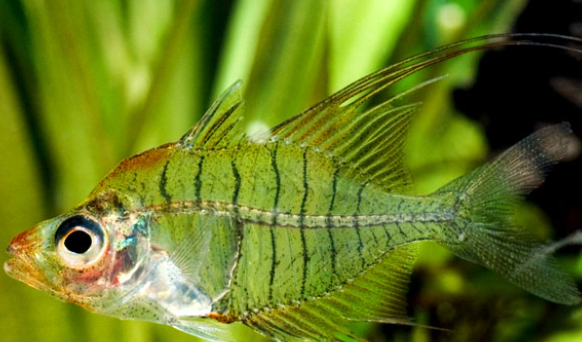
Glass Lala fish not only have a unique appearance and a transparent body color that creates a visual impact, but also provide a rich experience of observation and interaction during their care. They are suitable for intermediate and above aquarium hobbyists, and also provide challenges and learning opportunities for beginners. Compared to larger or more complex species, glass Lala fish are small and lively, and require moderate aquarium space, making them an ornamental fish that combines beauty and maneuverability.
In addition, the colorful effects they present under the reflection of light add a unique artistic atmosphere to modern homes. Whether kept alone or displayed in groups, glass Lala fish can become the focus of the aquarium.
Summary and Thoughts
The glass lala, with its uniquely transparent body, lively personality, and diverse reproductive characteristics, is a unique presence in the world of ornamental fish. Raising a glass lala is not only a delightful experience, but also an interactive experience with a miniature underwater ecosystem. From water quality management and feed selection to environmental design, every step embodies the fusion of science and art. For aquarists seeking visual impact and the joy of caring for aquariums, the glass lala is undoubtedly a worthwhile choice.
When keeping fish, how do you balance fish health with visual appeal? Do you choose naturally transparent glass Lala fish or artificially colored individuals? These choices not only impact the visual experience but also the lifespan and vitality of the fish. For every aquarium enthusiast, how to create an underwater world that is both aesthetically pleasing and desirable is a question worth pondering.
https://www.wonhat.com/the-ultimate-guide-to-ornamental-fish-species-care-and-thriving-aquariums/