https://www.wonhat.com/the-ultimate-guide-to-ornamental-fish-species-care-and-thriving-aquariums/
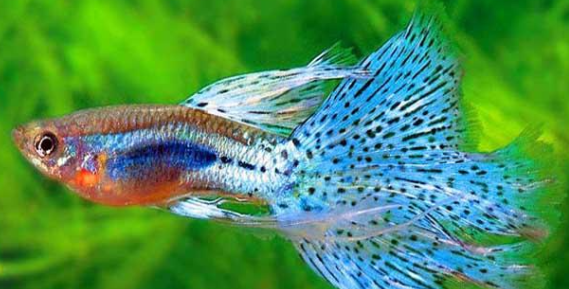
The guppy, scientifically known as Poecilia reticulata, is also called millionfish, rainbow fish, or fancy guppy. It is one of the most stunning freshwater tropical fish species. Native to rivers and lakes in South America, guppies are loved by aquarium enthusiasts for their slender bodies, vibrant tails, and gentle temperament.
A guppy’s tail is not just beautiful—it also plays an important role in social interactions within fish groups. Male guppies, in particular, display bright colors and patterns to attract females and showcase their health. Small in size, adult guppies typically grow only 2.5 to 5 centimeters long, making them an ideal choice for home aquariums.
Habitat and Adaptability
Guppies originate from tropical freshwater streams and wetlands, so they thrive in warm water. The ideal temperature range is 20–28°C (68–82°F), with stable temperatures helping to minimize stress and disease. Although guppies are relatively tolerant of different water conditions, a pH level between 6.8 and 7.5 and moderate hardness are best. Clean, well-maintained water is essential for their health.
These peaceful fish get along well with other small to medium-sized tropical fish, making them perfect for community tanks. However, avoid housing guppies with aggressive fish to prevent injury and stress.
Key Care Tips
1. Diet
Guppies are omnivores with moderate appetites. Feeding adult guppies once a day is sufficient. Their diet should include high-quality flakes or pellets, frozen aquatic invertebrates, and occasional plant-based foods like spinach or spirulina powder. A varied diet helps maintain vibrant coloration and overall health.
Be mindful not to overfeed, as guppies have limited digestive capacity. Overfeeding can lead to obesity and poor water quality. Controlled feeding and observing their eating behavior is key to keeping them healthy and active.
2. Aquarium Setup
Active and playful, guppies need plenty of swimming space. A tank of at least 20 gallons (about 75 liters) is recommended. Fine sand or gravel for the substrate, along with live plants, driftwood, and decorations, provides hiding spots and environmental enrichment. Plants not only enhance aesthetics but also improve water quality and create a safe habitat for breeding.
3. Breeding
Guppies are livebearers with impressive reproductive abilities. Under the right conditions, females can give birth to 20–50 fry every month. To protect the young, use a breeding box or dense plants to prevent adults from eating them. While guppies reproduce quickly, overpopulation can degrade water quality, so population control is crucial.
Behavior and Social Traits
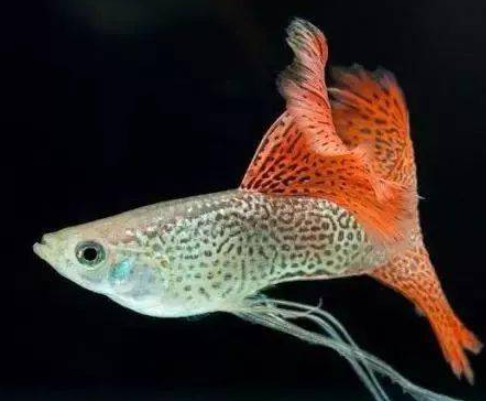
Guppies are lively and highly social. Male guppies often display their tails and vibrant colors to attract females and compete with other males. Observing these behaviors reveals fascinating social dynamics and miniature ecological systems within the tank.
Guppies also coexist well with other peaceful species such as zebra danios (Danio rerio) and neon tetras (Paracheirodon innesi), making them excellent community fish.
Health and Maintenance
Although guppies are hardy, they are still sensitive to sudden water changes and poor tank conditions. Common issues include ich (white spot disease), fungal infections, and stress caused by poor water quality. Regular water changes (about 25–30% weekly), stable temperatures, and efficient filtration are essential for disease prevention.
Avoid excessive handling or isolating female guppies for extended periods, as stress can affect their health and reproduction. Regularly observing their colors, energy levels, and appetite helps you catch early signs of illness.
Colors and Aesthetic Value
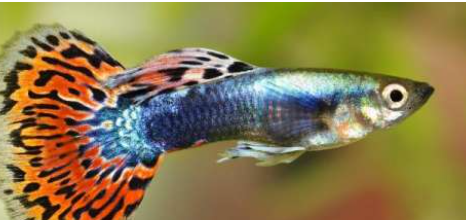
Guppies are renowned for their colorful tails and bodies. Males, in particular, feature fan-shaped, triangular, or lyre-shaped tails in vivid hues of red, blue, green, yellow, and mixed patterns. Through selective breeding, the aquarium trade now offers countless varieties, including red guppies, rainbow guppies, and more.
Coloration is not only for beauty; it reflects a fish’s health and genetic quality. Vibrant colors often indicate vitality and breeding potential, while dull or unusual colors may signal poor health or water issues.
Educational and Ecological Significance
Beyond their beauty, guppies are important in education and scientific research. Their mating behavior, social interactions, and tail displays make them excellent models for studying behavioral ecology. Keeping guppies also teaches aquarists valuable lessons about water quality management, ecological balance, and biodiversity conservation.
These small tropical fish allow hobbyists to explore aquatic ecosystems up close, fostering appreciation for nature and environmental protection.
Conclusion
With their stunning tails, peaceful nature, and adaptability, guppies are a true gem in home aquariums. From water quality management to breeding control, every aspect of guppy care reflects the science of fishkeeping. They are more than just a visual delight—they are a fascinating window into aquatic behavior and ecology.
If you dream of creating a vibrant, thriving underwater world at home, guppies might be the perfect place to start.
https://www.wonhat.com/the-ultimate-guide-to-ornamental-fish-species-care-and-thriving-aquariums/