https://www.wonhat.com/unique-aquatic-wonders-a-guide-to-marine-and-freshwater-marvels/
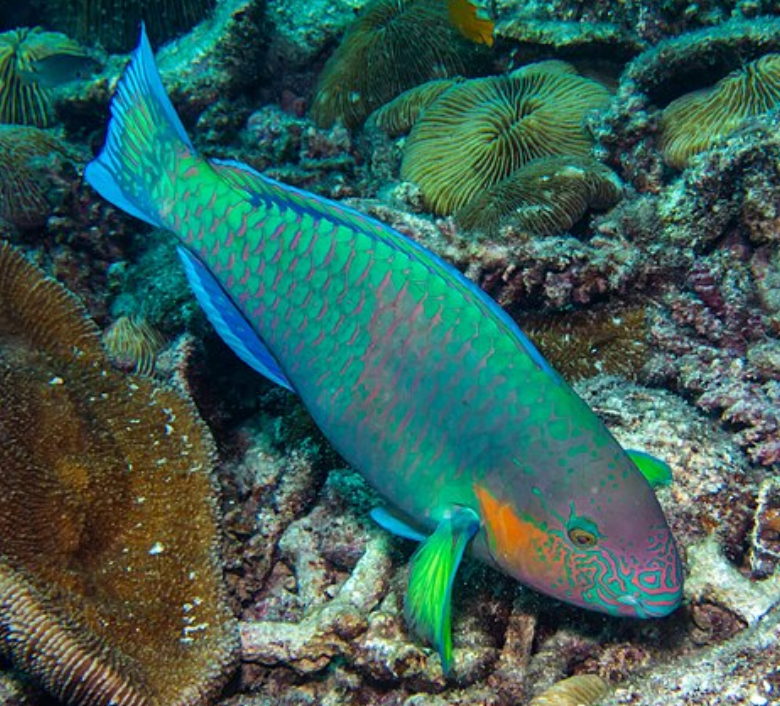
The white sand beaches and beautiful coral reefs of tropical waters are a result not only of the seawater and sunshine, but also of marine life. Hawkfish, in particular, play a crucial role in the coral ecosystem. They eat coral and other organisms attached to it, then excrete the undigested coral debris, which forms “coral sand,” a crucial source of white sand beaches on tropical islands.
The formation of coral sand is part of a natural cycle, creating a welcoming haven for both tourists and marine life. These transparent grains of sand shimmer in the sun, their white and pale blue hues lending the island a uniquely romantic feel. This natural biological and geological cycle offers a more intuitive understanding of the complexity of marine life.
The unique eating habits of hawkfish
Hawkfish feed primarily on corals and algae. Their hard beaks are used to crush coral skeletons and algae, extracting nutrients during digestion. Undigested coral fragments are excreted and gradually accumulate on the beach. This process not only clears algae from the coral surface but also indirectly maintains the healthy balance of coral reef ecosystems.
This dietary habit makes hawkfishes a keystone species in coral reef ecosystems. Their feeding behavior controls algal overgrowth, preventing it from covering and suffocating corals, while also promoting their growth and reproduction. In other words, hawkfishes are not only beach builders but also reef guardians.
The strange phenomenon of gender change
Another interesting characteristic of hawkfish is their sex reversibility. At birth, all juveniles are typically female, or initially of their sex. As they grow, the largest individuals become alpha males, responsible for reproduction and territorial defense. This social sex reversal ensures reproductive efficiency within the school while optimizing group structure and preventing excessive competition.
This sex change, known in biology as sequential hermaphroditism, is a strategy evolved by many tropical fish to adapt to environmental pressures. By observing the social structure of hawkfish, we can discover the highly coordinated group behavior and the wisdom of natural selection in marine ecosystems.
Hawkfish and Ecological Balance
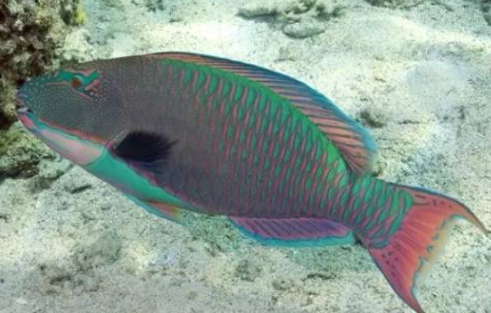
Hawkfish contribute far more to coral reefs than simply forming beaches. They clean algae from the coral’s surface, helping to maintain its photosynthetic efficiency while also providing habitats for other small marine life. As one of the most biodiverse ecosystems in the ocean, the health of coral reefs directly impacts thousands of species of fish, invertebrates, and microorganisms.
Coral reefs and beaches are not only integral to the ecosystem but also provide economic value to coastal communities. For example, the tourism industry relies on beautiful white sand beaches to attract tourists, while the fishing industry relies on healthy coral reefs to protect fish stocks. Therefore, protecting hawkfish and their habitats has long-term significance for maintaining ecological balance and coastal economies.
The ornamental value and behavioral characteristics of hawkfish
Hawkfishes come in a variety of colors, ranging from vibrant blue and green to orange-red, with coloration varying with age and sex. Their active swimming and feeding behavior make them a favorite addition to reef aquariums. They enjoy darting among corals, nibbling algae, and are highly social, frequently interacting with their peers.
This schooling behavior is not only aesthetically pleasing but also provides an opportunity to observe the behavior of marine life. By raising hawkfish, aquarists can learn about their unique behaviors, such as their social structures, foraging strategies, and sex changes, and gain a deeper understanding of tropical marine ecosystems.
The importance of coral reef protection
Despite the crucial role hawkfish play in ecosystems, coral reefs face threats from global climate change, rising sea temperatures, pollution, and overfishing. Coral reef degradation directly impacts hawkfish survival and coral sand production, ultimately impacting the entire island ecosystem. Protecting coral reefs and key fish populations is a core task in maintaining the ecological stability of tropical oceans.
Conservation measures include establishing marine protected areas, restricting fishing and tourism activities, and improving water quality management. Public education and scientific research are also crucial to help more people understand the importance of coral reef ecology and the role of hawksbill fish in the ecosystem.
Summary and Thoughts
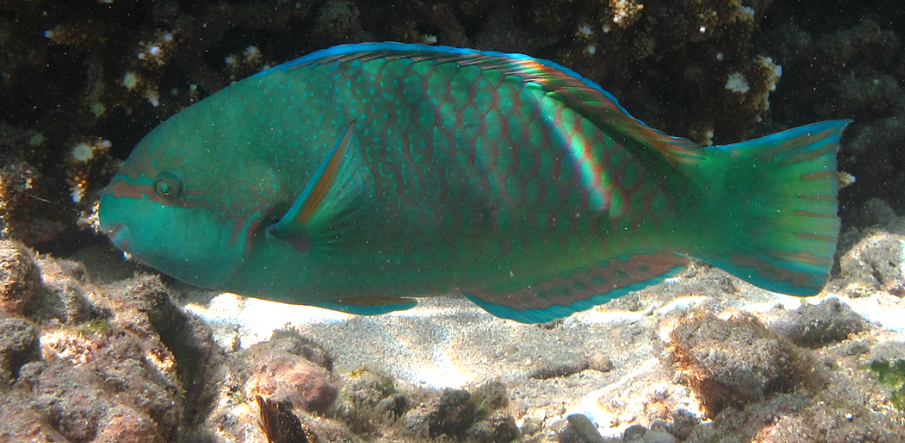
Hawkfish not only create coral sand but also play a vital role in protecting the health of coral reefs. Through their unique diet, sex-changing mechanisms, and social behaviors, they maintain the complex balance of the ecosystem. Observing these fish allows us to gain a direct understanding of the intelligence and ecological collaboration of marine life.
In the face of global climate change and ecological pressures, protecting every hawkfish means the survival of coral reef ecosystems. For aquarium enthusiasts and environmentalists, considering how to protect these key species while enjoying the beauty of nature is a question worth exploring in depth. How do you balance ecological conservation with the need for marine viewing? This unique ecological relationship may inspire more people to pay attention to the future of tropical oceans.
https://www.wonhat.com/unique-aquatic-wonders-a-guide-to-marine-and-freshwater-marvels/